

You want a sparkling home, yet real life intrudes—long workdays, messy roommates, curious pets, and nonstop notifications. The result: dusty shelves, sticky counters, and a to-do list that never ends. Well, here it is: you do not need a full weekend or a professional service to reset your space. Simple house cleaning tips can become quick, repeatable habits that save time and energy. In this guide, you’ll pick up a proven order of operations, room-by-room strategies, budget-friendly tools, and a schedule you can actually keep. Read on, and within 24 hours your home can feel fresher, lighter, and healthier—without burnout.
Declutter First: The 15-Minute Reset That Changes Everything
Cleaning slows to a crawl when you’re constantly moving items out of your way. That’s why decluttering comes first and sets up every other task. Begin with a 15-minute reset: set a timer, grab a laundry basket, and sweep the busiest zones—entryway, coffee table, kitchen counters, bathroom vanity, nightstands. Each item gets a decision: put away, toss/recycle, donate, or relocate. Don’t overthink it. Momentum beats perfection. Even one basket of “stuff” rehomed frees surfaces so they can be cleaned in minutes.
Give everyday items a place to land: a tray for keys and wallet, a small bin for remotes and chargers, a hook for headphones, and a basket for mail. The change reduces visual noise and makes nightly resets easy. With roommates or family, label bins by name to end the “Where does this go?” debate. Keep a paper or digital note of wanderers—hair ties, pens, game controllers—and assign a dedicated container. When everything has a home, clutter gets stopped at the source.
Feeling emotionally stuck? Switch to micro-decisions. Try the “Rule of Five”: remove five items from any surface before doing anything else. Or the “One-Touch Rule”: if you pick something up, put it where it belongs before setting it down. Friction drops and time is saved later. For clothes, place a hamper in every bedroom and a small bin for clean-but-worn items so they don’t pile on chairs. For the entryway, establish a “drop zone” with a shoe mat and a small tray for keys and sunglasses.
Decluttering isn’t a one-time event—it’s a daily two-minute habit. Make it automatic by linking it to what you already do: after brushing your teeth at night, put away five things; before a show, clear the coffee table; when coffee brews, empty the dishwasher. Fewer objects out means faster wiping, sweeping, and vacuuming. Your future self will be grateful.
Smart Room-by-Room Strategy: From Kitchen Grease to Bathroom Shine
Once clutter is out of the way, clean room by room, moving top to bottom and dry to wet. That sequence prevents rework and speeds things up. Start with the kitchen, then bathroom, then living areas and bedrooms. The kitchen tends to get the messiest, and winning there first gives you visible momentum.
Kitchen: Counters come first—clear them, then spray an all-purpose cleaner and let it sit (“dwell”) for a minute so grease is loosened. Wipe with a microfiber cloth using S-pattern strokes. Stove grates can be soaked in warm soapy water. For the microwave, heat a bowl of water with lemon slices for 2–3 minutes; the steam softens gunk for easy wiping. Next, the sink: sprinkle baking soda, scrub, rinse, then spritz vinegar for shine (never mix vinegar with bleach). High-touch areas like fridge handles and faucet levers should be disinfected per label directions. For food safety, cutting boards used after raw meat contact must be cleaned and sanitized; see the USDA’s food safety basics page for guidance on cleaning and separating to avoid cross-contamination.
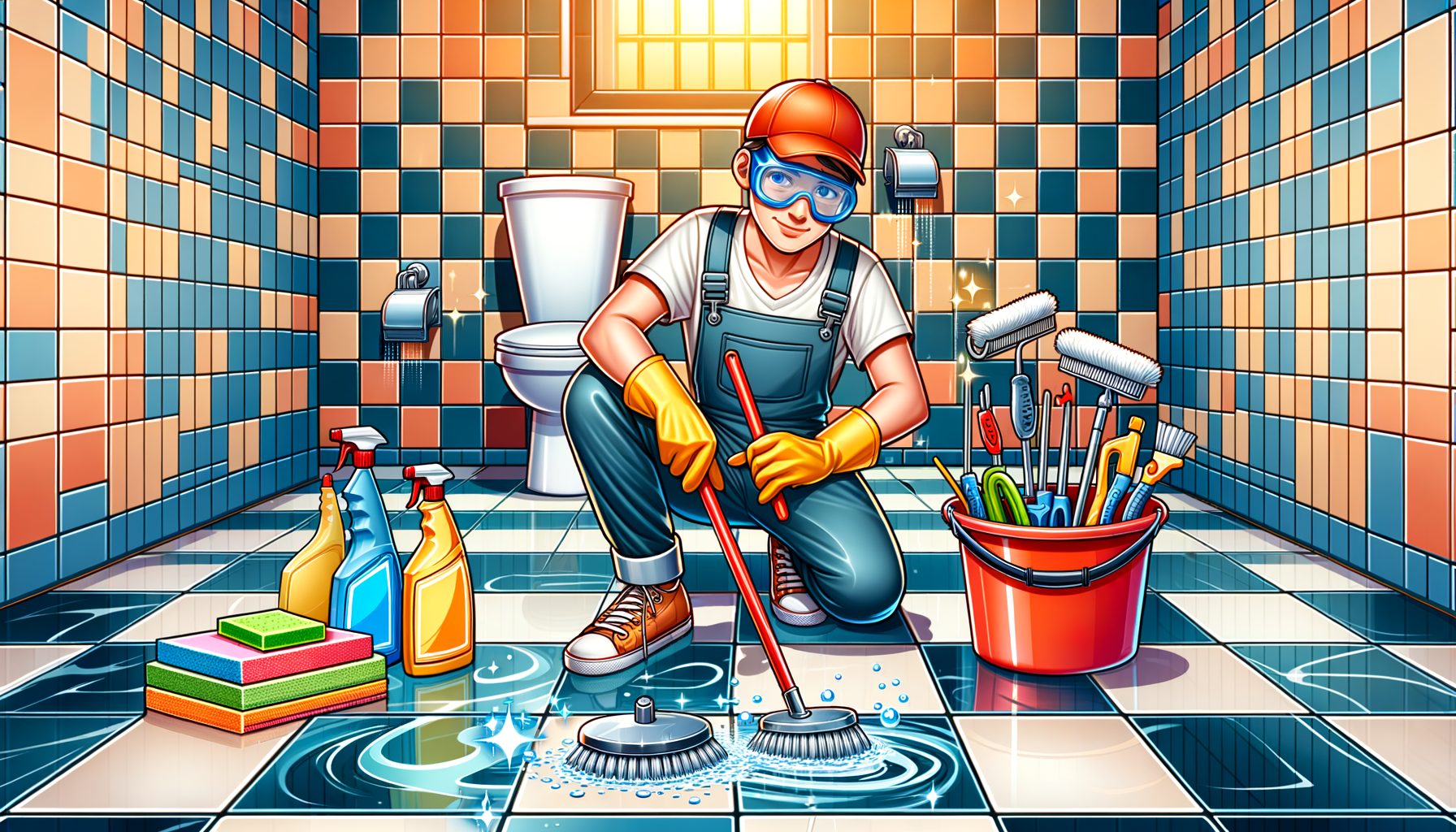
Bathroom: Ventilation comes first. Spray shower walls, tub, and sink and allow the product to sit for the recommended time before scrubbing. That “let it work” step saves elbow grease. A dedicated toilet brush and cleaner handle the bowl; the exterior gets wiped last. Replace hand towels, empty the trash, then finish with the mirror and fixtures for a quick sparkle.
Living areas and bedrooms: Dust high surfaces first (shelves, frames, fan blades), then mid-level surfaces, then baseboards. Vacuum from the farthest corner toward the exit, overlapping passes for better pickup. In bedrooms, strip bedding and start a wash cycle before you dust; by the time you’re done, sheets are ready for the dryer.
Focus on high-touch zones that matter most for health and appearance. Use this quick reference to prioritize:
| Area | Why it gets dirty | Quick action | Suggested frequency |
|---|---|---|---|
| Kitchen handles (fridge, oven) | High-touch, food residue | Wipe with cleaner; disinfect as needed | Daily or after cooking |
| Sink and faucet | Water spots, soap film | Scrub, rinse, polish with microfiber | 2–3x weekly |
| Bathroom fixtures | Soap scum, hard water | Let cleaner dwell; wipe and dry | Weekly |
| Switches and remotes | Fingerprints, germs | Lightly damp microfiber; disinfect per label | Weekly |
| Floors near entry | Dirt and dust tracked in | Quick sweep or vacuum | Daily quick pass |
Remember, product labels should always be followed for safe use and proper contact times when disinfecting. Guidance from the U.S. Centers for Disease Control and Prevention covers routine cleaning of high-touch surfaces and healthy hygiene practices. For household disinfectants, use products only as directed and ensure good ventilation.
Resources: CDC cleaning guidance (https://www.cdc.gov/hygiene/cleaning/cleaning-your-home.html) and USDA clean-separate-cook-chill basics (https://www.fsis.usda.gov/food-safety/safe-food-handling-and-preparation/food-safety-basics/clean-separate-cook-chill).
Tools and Supplies: Budget-Friendly Checklist and Natural Alternatives
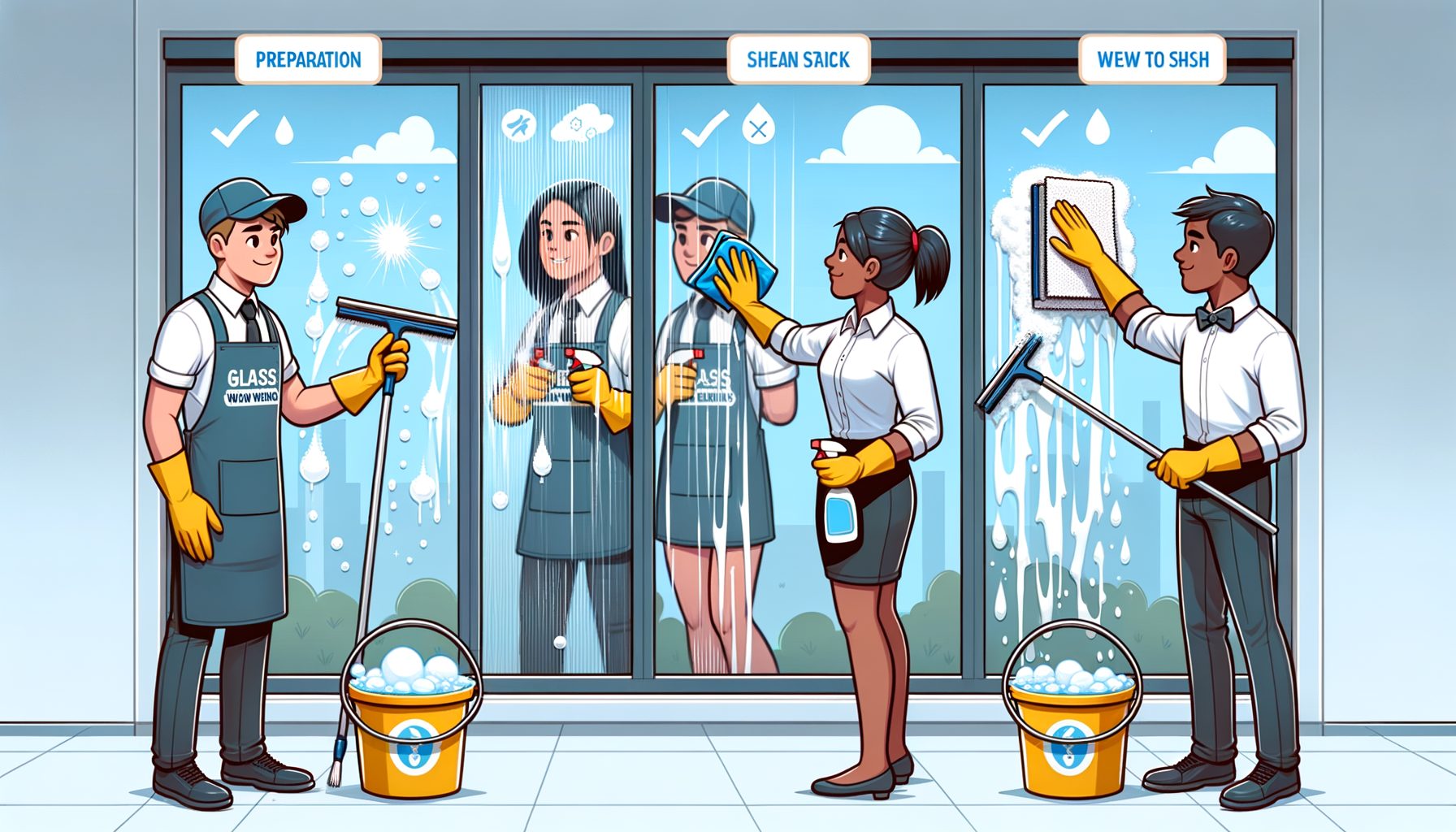
A closet full of specialty products isn’t required. A small, thoughtful kit will make cleaning faster and cheaper. Core tools: a good vacuum (ideally with a HEPA filter if you have allergies or pets), a pack of quality microfiber cloths (color-code for kitchen, bath, and dusting), a scrub brush, a toilet brush, a flat mop with washable pads, a squeegee for glass, and two spray bottles (for homemade solutions). Then this: add a caddy to keep everything portable—less back-and-forth means you finish sooner.
Core products include a gentle dish soap (cuts grease), an all-purpose cleaner, a glass cleaner or 1:1 vinegar-water mix for mirrors and windows, baking soda for gentle abrasion, and a disinfectant for high-touch areas when needed. If you prefer eco-labeled products, the EPA Safer Choice database helps you find effective cleaners with safer ingredients. Microfiber cloths are the secret weapon: they trap dust and reduce the need for extra chemicals. Microfiber should be washed separately, without fabric softener, to keep fibers effective.
For everyday messes, natural alternatives can work well. Use vinegar diluted with water for glass and light mineral deposits; baking soda to deodorize carpets and fridges; mild hydrogen peroxide (3%) for oxidizing stains on light-colored surfaces (spot test first). Always be cautious with chemical mixing. Never mix bleach with ammonia or acids like vinegar—dangerous gases can be created. Ventilate by opening windows or running an exhaust fan, and wear gloves if you have sensitive skin.
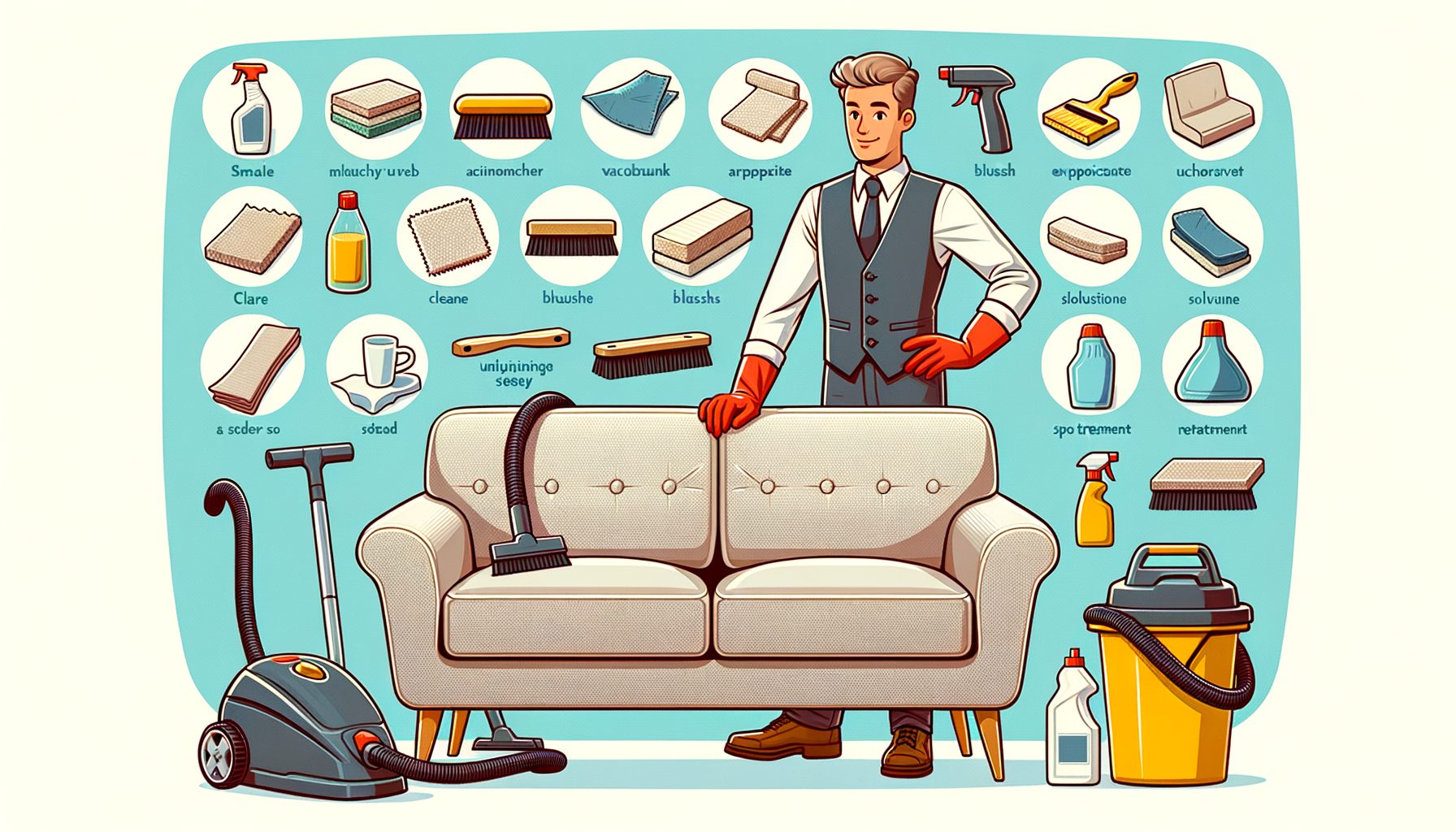
When odors linger, tackle the source first (trash, pet bedding, damp towels). Sprinkle baking soda on carpets, let it sit 15 minutes, and vacuum. For pet hair, slightly dampen a rubber glove and wipe upholstery; follow with a vacuum upholstery tool. What’s interesting too: if indoor air quality is a priority, a vacuum with a sealed HEPA system plus regular dusting will help; the American Lung Association shares practical tips on reducing indoor pollutants and improving breathing comfort at home.
More resources: EPA Safer Choice (https://www.epa.gov/saferchoice) and American Lung Association indoor air guidance (https://www.lung.org/clean-air/at-home/indoor-air-pollutants).
Weekly, Monthly, and Seasonal Routines: A Simple Schedule You’ll Actually Follow
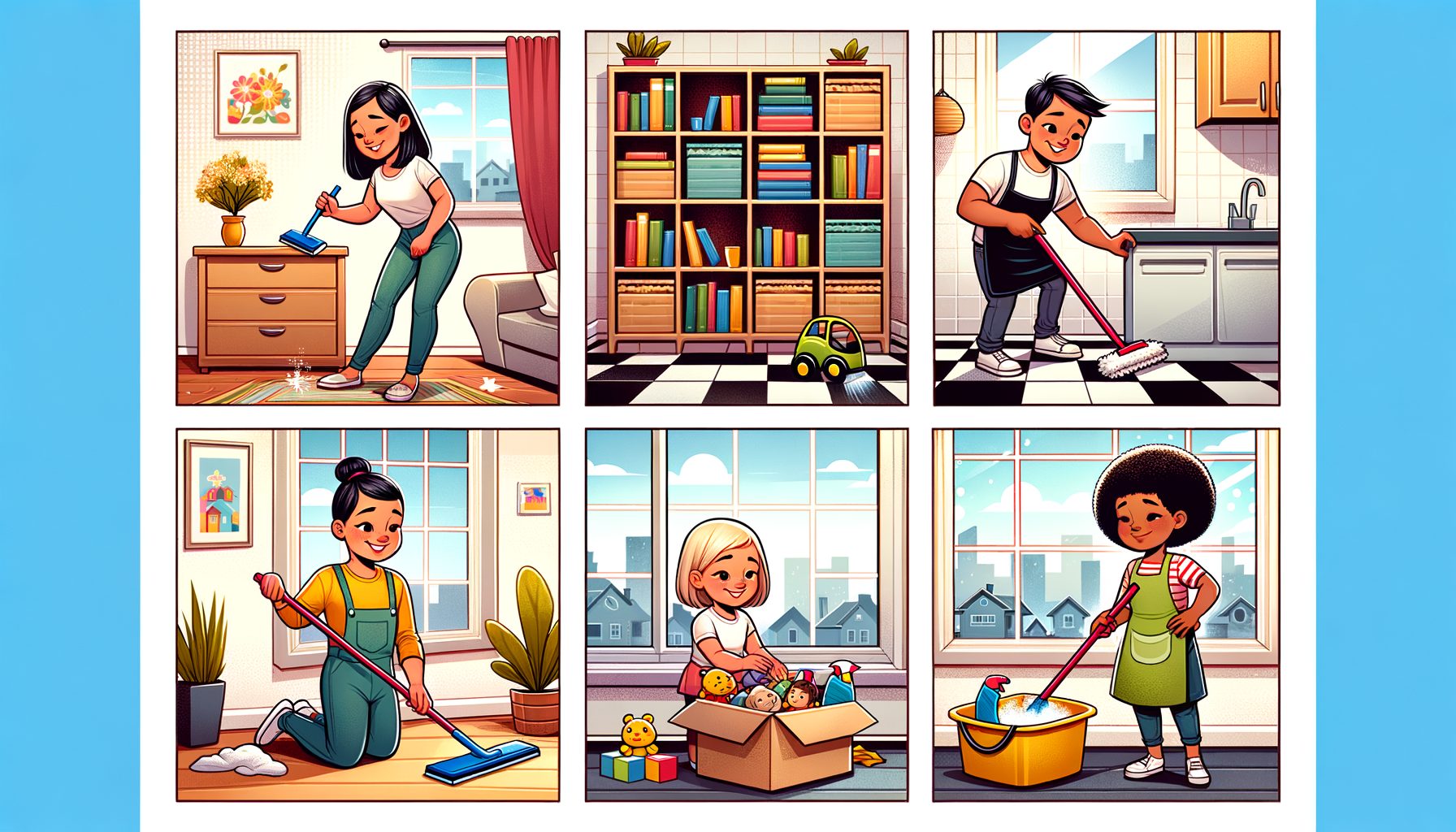
A routine works when it matches your real life. Build a flexible plan that bundles tasks into short sessions. Weekly essentials: bathrooms (surfaces, toilet, mirror), kitchen wipe-down (counters, sink, stovetop), floors (vacuum and mop high-traffic areas), laundry (clothes and towels), and a quick dust of flat surfaces. Keep it light—20–30 minutes on weekdays, then one focused 45–60 minute session on the weekend for floors and bathrooms. If family or roommates are involved, assign zones or trade tasks to keep things fair.
Monthly tasks add depth: clean appliances (microwave interior, oven quick refresh, descale kettle/coffee maker), wash pillow protectors, dust ceiling fans and baseboards, vacuum under sofa cushions, and wash shower liners. Check your vacuum filter and wash or replace as recommended. Rotate in one “eyesore task” you’ve been avoiding—organizing the utility drawer or clearing car clutter works well. Set a recurring calendar reminder so you won’t forget.
Seasonal resets (every 3–4 months) deliver big wins: move furniture and vacuum behind/under it, wipe window tracks, wash windows, clean vents and intake grilles, deep-clean the fridge and freezer, and flip or rotate mattresses. Wardrobes can be decluttered at season change: donate items you haven’t worn recently and store off-season pieces in labeled bins. In humid climates, mold-prone zones (bathroom corners, under sinks) should be checked and addressed early with proper cleaning and ventilation.
Make routines stick with habit stacking. Pair cleaning with something you already enjoy—podcasts for bathroom cleaning, music for kitchen resets, or a call with a friend while folding laundry. Use a visible checklist on your fridge or a notes app with recurring tasks. Try the “Two-Minute Rule”: if a task takes under two minutes (wipe a mirror, empty trash, start the dishwasher), do it now. Nightly, run a 10-minute tidy and load the dishwasher so you wake up to a calm kitchen.
Time-saving formula: declutter first, then dust, then vacuum, then mop. The order keeps you from redoing steps and makes the whole routine feel lighter and faster.
Frequently Asked Questions
How can I clean fast when guests are coming in 30 minutes?
Prioritize what people see and smell. Do a 10-minute declutter sweep with a basket, clear kitchen counters, wipe the bathroom sink and mirror, empty trash, and vacuum the main walkway. Open a window for five minutes or light a fresh-smelling candle. Close doors to rooms you can’t tackle right now.
Are natural cleaners as effective as disinfectants?
For everyday soil and grime, dish soap, vinegar, and baking soda work well. For disinfecting high-touch areas, use an EPA-registered product and follow the label for contact time. Cleaning and disinfecting are different steps—clean first to remove dirt, then disinfect when needed.
What is the best way to deal with pet hair?
Use a vacuum with a motorized brush head on carpets and an upholstery tool on sofas. For quick pickups, a slightly damp rubber glove grabs hair fast on fabric. Pet bedding can be washed weekly, and regular brushing reduces shedding around the home.
How can I clean without harsh smells?
Choose fragrance-free or Safer Choice-certified products and ventilate your space. Microfiber can reduce the amount of product needed. Avoid mixing chemicals and use mild solutions like diluted dish soap for many tasks. A squeegee and hot water will clean glass with no scent at all.
How do I stay motivated to keep cleaning?
Keep it small and consistent. Use short timers (10–15 minutes), habit stack with music or podcasts, and track wins on a simple checklist. Celebrate progress, not perfection—your home improves every time you reset a surface or finish a small task.
Conclusion: Reset Your Space, Protect Your Time, Feel Better at Home
We covered the essentials that move the needle: decluttering first to remove friction, a room-by-room plan that goes top to bottom and dry to wet, a compact toolkit that keeps costs low, and a weekly–monthly–seasonal routine that fits real life. These simple house cleaning tips deliver quick wins today and lasting results tomorrow. When you remove clutter, focus on high-impact areas, and follow a practical sequence, cleaning stops feeling overwhelming and starts feeling doable—even on busy days.
Ready to start? Pick one room and set a 15-minute timer right now. Clear visible clutter into a basket. Wipe the main surface. Vacuum your path out. Then schedule your next two micro-sessions in your calendar (one kitchen reset, one bathroom refresh). If you want more structure, copy the weekly checklist from this guide into your notes app and set recurring reminders. Share this article with a housemate and divide tasks by zone—you’ll finish in half the time.
Your home isn’t a project; it’s a rhythm. Small, repeatable actions build a space that’s easier to live in, easier to invite friends into, and easier to maintain when life gets busy. Start small, be consistent, and trust the process: each clean counter, each quick sweep, each load of laundry is a vote for the calmer home you want. What is the one five-minute task you’ll do today to spark momentum?
Sources and Helpful Links
CDC – Cleaning Your Home: https://www.cdc.gov/hygiene/cleaning/cleaning-your-home.html
EPA – Safer Choice (find safer cleaning products): https://www.epa.gov/saferchoice
American Lung Association – Indoor Air Pollutants and Solutions: https://www.lung.org/clean-air/at-home/indoor-air-pollutants
USDA – Clean, Separate, Cook, Chill Food Safety Basics: https://www.fsis.usda.gov/food-safety/safe-food-handling-and-preparation/food-safety-basics/clean-separate-cook-chill