

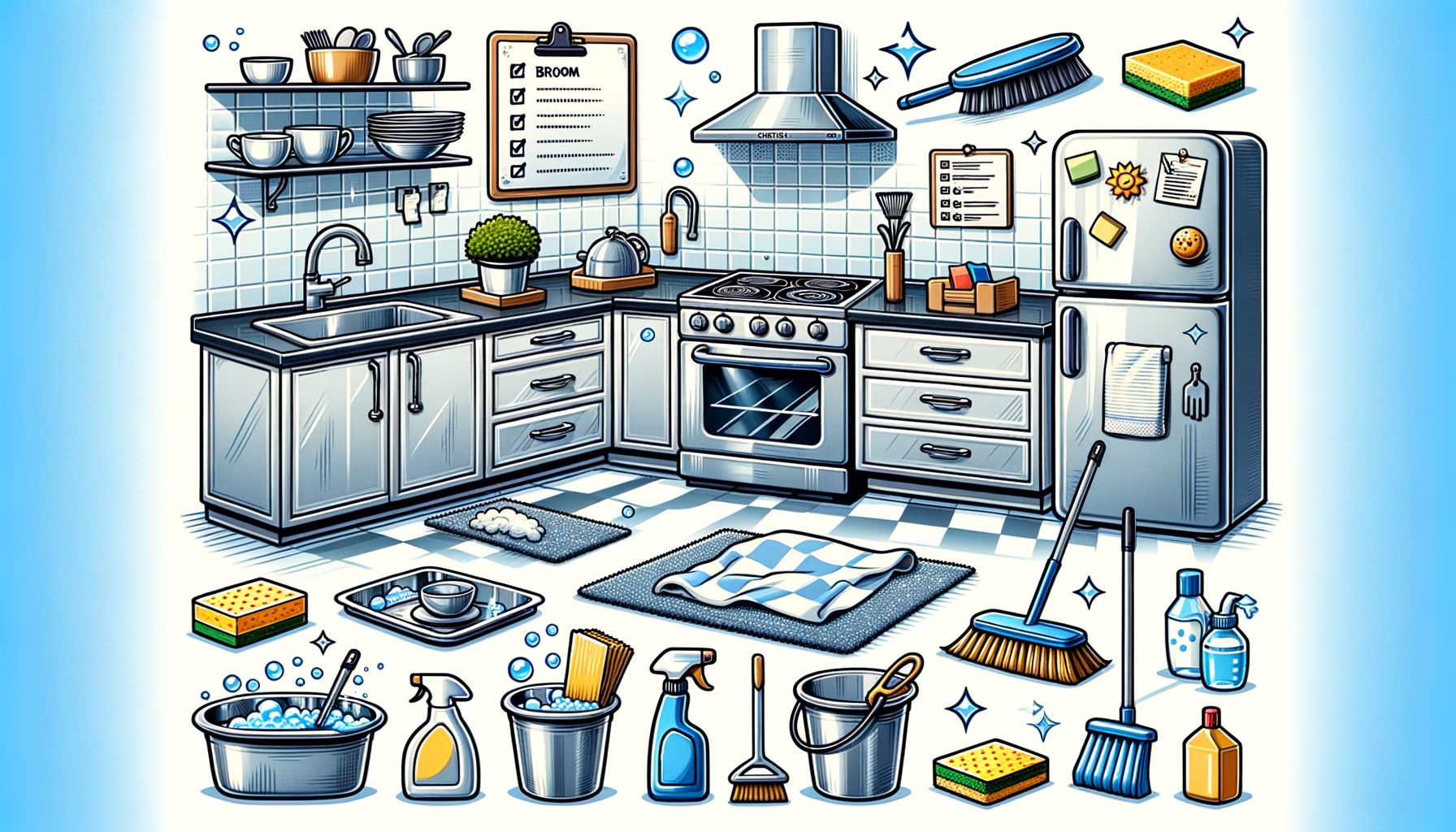
If you cook at home, you know the pattern: you finish dinner, promise to clean later, and by morning the sink smells, the stovetop is sticky, and the fridge has a mystery spill. The real problem isn’t just mess—it’s time, cross‑contamination, and stress. The good news? With a simple, repeatable kitchen cleaning checklist and a few proven kitchen cleaning tips, you can keep your space fresh, safe, and genuinely easy to maintain. In this guide, you’ll get a practical routine, expert‑backed safety advice, and step‑by‑step methods to tackle the most stubborn grime—without wasting hours.
The 10‑Minute Daily Reset: A Kitchen Cleaning Checklist You’ll Actually Do
Most kitchens don’t need a marathon clean every day; they need a fast reset. A 10‑minute routine prevents grime from building up, keeps pests away, and makes your weekly deep clean dramatically quicker. Set a timer and try this flow—no overthinking, just action.
1) Clear surfaces (1 minute). Shift mail, snacks, and any idle appliances out of the way. Empty the sink—stack dishes to one side if you can’t wash them right now. Visual clarity reduces stress and makes wiping faster.
2) Quick sort trash and recycling (1 minute). Tie one bag, replace it, and get rid of the worst smells immediately. Keep a small bin for compost if your area supports it.
3) Soak while you work (1 minute). Fill the sink or a basin with hot, soapy water. Drop in utensils, greasy pans, and the microwave turntable. Let time do the heavy lifting.
4) High‑touch disinfect (1 minute). With a properly diluted disinfectant or alcohol‑based wipe, quickly hit handles, knobs, light switches, and the fridge door. Focus on what you touch most, especially after handling raw food. If you prefer gentler products daily, save disinfectants for after raw meat prep or illness in the household.
5) Wipe counters and table (2 minutes). Use a degreasing all‑purpose cleaner or a few drops of dish soap in warm water. Work left to right, top to bottom, toward the sink. Crumbs last—don’t chase them; corral them to one area, then lift with a damp cloth.
6) Spot clean appliances (2 minutes). A few swipes across the stovetop, front of the oven, microwave face, and fridge handles. When you see a spill, place a damp cloth on it for 30 seconds, then wipe—no scrubbing needed.
7) Do a “two‑item wash” (1 minute). Wash just two items that are the biggest eyesores (the pan and the cutting board). That quick win builds momentum, keeps the sink clear, and prevents a dish avalanche tomorrow.
8) Finish with the floor (1 minute). Sweep visible crumbs or run a quick vacuum pass in the cooking triangle (sink, stove, fridge). Micro‑crumbs attract pests; one minute here matters.
Pro tip: Keep a small “counter caddy” with a spray, microfiber cloth, and gloves. When tools are within reach, you’re more likely to use them. Over a week, this reset can save you more than an hour of scrubbing and keep odors, grease, and bacteria under control.
Deep‑Clean Like a Pro: Weekly, Monthly, and Seasonal Tasks that Actually Matter
Daily resets keep you sane, but deep cleaning is where you protect your health and appliances. Research from NSF International found that kitchen sponges and sinks are among the germiest spots in the home—often worse than the bathroom—because moisture and food residue fuel rapid microbial growth. Focus on the tasks that deliver the biggest hygiene and longevity lift.
Weekly checklist:
- Disinfect the sink basin, drain cover, and faucet base. Dry completely to discourage biofilm.
- Clean the stovetop thoroughly: remove grates, soak, and degrease. Wipe knobs and control panel.
- Microwave reset: clean interior with steam (bowl of water with lemon), wash the turntable, wipe the door seal.
- Fridge maintenance: toss expired items, wipe spills, and check temperature (≤4°C / 40°F).
- Dishwasher hygiene: remove and rinse the filter, wipe door gasket, run a hot cycle if heavily used.
- Floor care: vacuum edges, mop high traffic areas with a food‑safe cleaner.
Monthly checklist:
- Oven clean: use a baking‑soda paste or follow your oven’s self‑clean instructions.
- Cabinet fronts & handles: degrease near cooking zones; dust tops of tall cabinets.
- Range hood & filters: degrease metal filters in hot, soapy water; replace carbon filters per manual.
- Small appliances: descale kettle/coffee maker; clean toaster crumb tray; wipe blender gaskets.
Seasonal (every 3–4 months):
- Full fridge/freezer clean: remove shelves, wash with warm soapy water, sanitize handles, and vacuum condenser coils if accessible.
- Purge pantry: group foods by type/date; wipe shelves; store grains in airtight containers.
- Behind/under appliances: vacuum dust and mop. Dust buildup can impact performance.
Use this quick table to plan your deep clean and estimate time saved by preventing buildup.
| Task | Recommended Frequency | Typical Time | Why It Matters |
|---|---|---|---|
| Sink and drain disinfect | Weekly | 10–15 min | Reduces odor and germ growth; sink often harbors high bacteria. |
| Stovetop deep clean | Weekly | 20–30 min | Stops baked‑on grease that can take hours later. |
| Fridge shelf wipe & temp check | Weekly | 10–15 min | Prevents sticky spills; improves food safety at ≤4°C / 40°F. |
| Oven clean | Monthly | 45–60 min (incl. soak time) | Keeps smoke, odors, and hotspots down. |
| Range hood filter wash | Monthly | 15–20 min | Improves ventilation; reduces grease film on cabinets. |
For food safety fundamentals, see the CDC’s kitchen guidance on avoiding cross‑contamination and keeping cold foods cold: CDC: Keep Food Safe, and USDA refrigeration advice: USDA: Refrigeration and Food Safety.
Smart, Safe Supplies: What to Use, What to Avoid, and How to Save Money
You don’t need a closet of chemicals—just a smart kit and safe habits. Start with these essentials:
- All‑purpose cleaner or dish soap solution for everyday grease and crumbs.
- Food‑contact‑safe disinfectant for high‑touch areas after raw meat prep or illness in the home. Look for third‑party certifications.
- Glass/surface cleaner for shiny finishes and steel (or dilute dish soap + water).
- Microfiber cloths (color‑code: red for raw‑food zones, blue for general, green for glass). Wash hot, no fabric softener.
- Scrub brush + non‑scratch sponge; silicone sponges dry faster and can reduce odor.
- Baking soda (gentle abrasive) and white vinegar (limescale/freshening, not for natural stone).
- Gloves and a caddy so everything is in one place.
Safety basics that matter:
- Never mix bleach with ammonia, vinegar, or acids. That combination produces toxic gases.
- Always ventilate: open a window or run the hood when using strong cleaners.
- Check product labels for dwell time (how long a disinfectant must stay wet to work) and compatibility with surfaces.
- Use gentler products on food‑contact surfaces, and rinse if labels require it.
Choosing better products: Look for the EPA Safer Choice label to identify cleaners that meet strict safety and performance criteria. For many tasks, a simple solution of dish soap and warm water plus mechanical action (scrubbing, soaking) is enough. Microfiber boosts effectiveness by physically lifting dirt and oils, which means you can often use less product. Where hard water leaves mineral deposits (kettle, faucet, dishwasher sprayer), white vinegar helps—just avoid using vinegar on natural stone or delicate metal finishes.
Budget tip: One concentrated all‑purpose cleaner, properly diluted, can replace multiple specialty sprays. Pair it with baking soda for extra scrubbing power. If you choose to use bleach, follow your bottle’s instructions exactly and only on compatible surfaces. If you prefer to avoid bleach, use a disinfectant approved for kitchen use or soap‑and‑water cleaning plus targeted disinfecting after raw meat handling. For credible hygiene data and high‑risk kitchen zones, see NSF’s household germ study: NSF: Germiest Places in Your Home.
Tough Spots Solved: Oven, Stovetop, Fridge, Sink, and Dishwasher
These are the places people put off—and where the right method saves hours.
Oven (baked‑on grease and smell):
- Remove racks and soak them in hot, soapy water (or a tub) for 30–60 minutes.
- Make a paste (baking soda + warm water). Spread on interior, avoiding heating elements. Let sit 30–60 minutes.
- Wipe with a damp cloth; spritz stubborn areas with a bit of vinegar to help lift residue. Dry with the door ajar.
- For self‑clean cycles, follow your manual; remove racks if the manufacturer recommends it.
Stovetop and burners:
- Gas: Remove grates and caps; soak in hot, soapy water. Use a non‑scratch pad on enamel grates.
- Glass/ceramic: Use a cooktop scraper at a 45° angle on cooled glass, then a cooktop cleaner to remove haze.
- Control knobs: If removable, take them off and wash. Wipe the control panel with a damp cloth—avoid soaking.
Fridge (food safety first):
- Set temperature to ≤4°C / 40°F. Keep a small thermometer inside to verify.
- Pull one shelf at a time to avoid a full unload. Wash with warm, soapy water; rinse and dry thoroughly.
- Wipe door gaskets and handles—high‑touch areas many people forget.
- Odors: Place an open box of baking soda or a small bowl of coffee grounds inside.
- Freezer: Defrost only if ice is >6 mm (¼ in) thick or per your manual. Wipe spills to prevent freezer burn smell.
Sink, faucet, and disposal:
- Scrub the basin with baking soda and a drop of dish soap; rinse hot.
- Disposal: Run ice cubes with a slice of lemon and a teaspoon of baking soda; then flush with hot water. Clean the rubber splash guard—flip it up and scrub both sides.
- Faucet aerator: Unscrew, soak in warm vinegar for 15–30 minutes, rinse thoroughly, and reattach.
- Dry the sink after last use to discourage water spots and biofilm.
Dishwasher (yes, it needs cleaning):
- Remove the bottom rack and lift out the filter; rinse under warm water and brush gently.
- Wipe the door seal and the inside edge where grime collects.
- Run a hot maintenance cycle with a dishwasher cleaner or citric acid if you have mineral buildup. Always follow your manufacturer’s guidance—some recommend avoiding vinegar because it can damage rubber components over time.
Quick win: Tackle one tough spot per week. Rotate through the oven, fridge, sink, and dishwasher. That approach spreads the workload and keeps every zone under control without a marathon session.
FAQ: Kitchen Cleaning Tips People Ask All the Time
How often should I disinfect, not just clean?
Disinfect high‑touch areas (handles, knobs, faucet) after preparing raw meat, when someone’s sick, or during high‑use days. Routine cleaning with soap and water is usually enough for daily maintenance; save disinfectants for targeted moments or weekly deep cleans per product guidance.
What’s the best way to clean a greasy range hood filter?
Remove the metal filter and soak it in very hot water with a degreasing dish soap. Add a tablespoon of baking soda for extra lift. Scrub gently, rinse thoroughly, and dry before reinstalling. Replace carbon filters as your manual recommends.
Are natural DIY cleaners enough?
For everyday grime, yes—dish soap, warm water, and microfiber handle most tasks. For sanitizing or disinfecting (after raw meat or illness), use a product labeled for that purpose and follow the dwell time. Avoid using vinegar on natural stone or sensitive metals.
How do I stop my sponge from smelling?
Rinse thoroughly after use, squeeze dry, and store upright to air out. Rotate or machine‑wash sponges regularly, or switch to quick‑dry scrubbers or microfiber cloths you can launder hot. Replace sponges often—especially after raw meat prep.
Conclusion
Here’s the bottom line: clean kitchens aren’t about perfection; they’re about systems that work on your busiest days. You now have a fast 10‑minute daily reset to stop messes before they grow, a practical deep‑clean schedule that targets the highest‑impact tasks, a safe and budget‑friendly supply list, and step‑by‑step fixes for the toughest grime on ovens, stovetops, fridges, sinks, and dishwashers. Together, these kitchen cleaning tips form a simple, repeatable checklist you can run on autopilot.
Start tonight: set a 10‑minute timer, clear the counters, wipe high‑touch spots, soak what’s greasy, and sweep crumbs. Tomorrow, choose one deep‑clean item from the weekly list—maybe the sink disinfect or the stovetop degrease. Small steps stack quickly. If you share your kitchen, post the checklist on the fridge and give each person one job. Consistency beats intensity every time.
If you want safer choices or need to dig deeper on food safety, bookmark these resources: CDC: Keep Food Safe, USDA: Refrigeration and Food Safety, EPA Safer Choice, and NSF: Germiest Places in Your Home. Use them as a reference point whenever you have questions about disinfectants, temperatures, or high‑risk zones.
Your kitchen doesn’t have to be a source of stress; it can be your calm, clean launchpad for better meals and better days. Take one action now, build a habit this week, and enjoy the compounding payoff of a sparkling, safe space. Ready to try the 10‑minute reset tonight—or will you start with the stovetop deep clean? Either way, you’ve got this.