

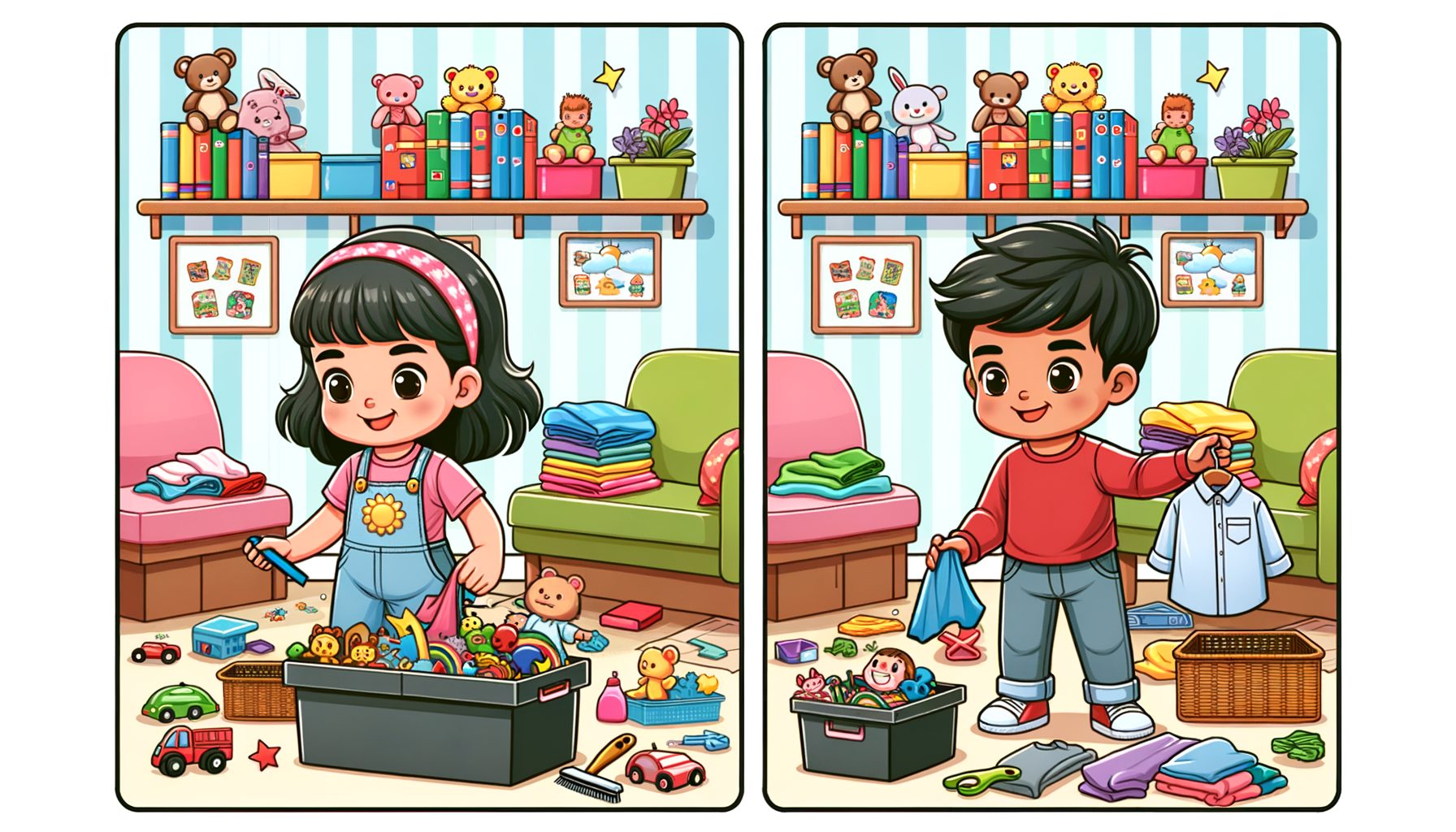
You’re busy, the kids are busier, and somehow their room keeps morphing from “almost tidy” to “toy tornado” overnight. If mornings start with shoe hunts and bedtime begins with a negotiation over clutter, you’re not alone. The good news: a clear, repeatable Kids’ Room Cleaning Checklist can turn chaos into a quick routine. What follows explains why kids’ spaces get messy so fast, then lays out a step-by-step plan to tidy, organize, and make every corner sparkle—without spending all weekend cleaning. Whether you’re a parent, caregiver, or older sibling in charge, you’ll find simple actions that work worldwide, with tips that are safe, kid-friendly, and proven in real homes.
Why Kids’ Rooms Get Messy Fast—and the Fix That Actually Works
Kids’ rooms function as high-traffic, high-creativity zones. Great for learning and play, yes—but it also means a constant flow of clothes, toys, school supplies, art projects, and gifts. When the inflow of stuff exceeds storage capacity—or when there isn’t an easy, obvious place to put things back—mess multiplies. Add short attention spans and after-school fatigue, and you’ve got a recipe for “I’ll do it later” piled on repeat.
Clutter feels stressful for a reason backed by research. Studies link cluttered homes to increased stress and reduced focus. Work from UCLA’s Center on Everyday Lives of Families documents how modern households juggle high volumes of possessions, while findings from Princeton suggest visual clutter competes for attention. In practical terms: when a room is stuffed and surfaces are crowded, kids have a harder time finding things and staying on task. Parents feel the strain too, especially during time-crunched routines like mornings or bedtime.
Cleaning harder isn’t the fix; design the room so it’s hard to mess up. Fewer categories, clear labels, safer heights, and storage that matches how your child actually uses things will do more than any one-off deep clean. If a seven-year-old must drag a heavy bin from a top shelf to put away a toy, it won’t happen consistently. But when toys live in open, clearly labeled containers at child height, with simple “one bin = one category” rules, cleanup becomes fast and repeatable. Even better, small daily resets keep clutter from compounding. Five minutes after school and five minutes before bed can prevent the weekend from turning into a deep-clean marathon.
Kids grow fast—and their needs evolve just as quickly. What worked last year might now create friction. Build routine reviews into your schedule (monthly or seasonally) to remove outgrown clothes, rotate toys, and refresh labels. In doing so, you’re not only cleaning; the space is continuously optimized for how your child lives and learns today.
Step-by-Step Kids’ Room Cleaning Checklist (Daily, Weekly, Monthly)
Here’s a Kids’ Room Cleaning Checklist that breaks the job into short, predictable sessions that fit real life. Set a timer, play a favorite playlist, and keep a caddy of supplies in or near the room so you never have to hunt for wipes or a duster. Involve your child at every step—ownership builds habits and cuts your workload.
Daily (5–15 minutes):
- Make the bed (younger kids can pull up a duvet; older kids can arrange pillows).
- Clothes check: dirty items go straight to a hamper; clean items get folded or hung.
- Clear surfaces: desk, nightstand, and floor hotspots—return items to labeled bins.
- Reset zones: toys back to “play,” books to “read,” pencils to “study,” chargers to “tech.”
- Quick wipe of sticky spots on the desk or light switches with a safe cleaner.
Weekly (30–45 minutes):
- Change bed sheets and pillowcases.
- Dust from top to bottom: shelves, frames, lamps, and window sills.
- Vacuum or sweep/mop, including under the bed and behind doors.
- Disinfect high-touch areas (doorknobs, drawer pulls, light switches) using safe products.
- Refill tissues, organize the backpack, sharpen pencils, and recycle old papers.
Monthly (60–90 minutes):
- Declutter: donate outgrown clothes, toss broken toys, and archive art (photo or file).
- Toy rotation: store half the toys out of sight; swap monthly to keep things fresh.
- Deep clean baseboards, window tracks, and vents.
- Safety scan: anchor furniture, check cords, and ensure small parts are stored properly.
- Label refresh: update picture labels for younger kids; use words for fluent readers.
Here’s a quick reference table to plan your time and tools:
| Task | Recommended Frequency | Average Time | Tools |
|---|---|---|---|
| Make Bed + Surface Reset | Daily | 5–10 min | Duvet, small tray for odds & ends |
| Dust + Vacuum/Sweep | Weekly | 20–30 min | Microfiber cloth, vacuum or broom |
| Sheets + Laundry Sort | Weekly | 15–20 min | Hamper, detergent pods (adult supervised) |
| Declutter + Toy Rotation | Monthly | 45–60 min | Donate bag, storage bin with lid |
| Safety + Label Check | Monthly | 10–15 min | Anchors, updated labels/photos |
Pro tip: create a tiny “lost and found” jar for random pieces. Empty it weekly and return items to their proper bins. And if your home has a family command center, add this checklist as a recurring event with reminders so it becomes a routine, not a debate.
Smart Storage and Organization Hacks That Stick
Great organization doesn’t mean buying more containers; it means simple, visible homes that kids can maintain independently. Start with functional zones: sleep, study, play, and clothing. Each zone should contain everything needed to start and finish a task—no cross-room scavenger hunts.
Clear bins make it obvious where things go. Label with photos for non-readers and simple words for readers. Keep categories broad—“blocks,” “cars,” “dolls,” “dress-up,” “art”—so items don’t overflow. The most-used items should sit at child height, while messy or less-used items can live higher. Open bins without lids speed daily cleanup; lidded bins protect sets you want to preserve or rotate.
Vertical space can be used wisely. Wall-mounted shelves, pegboards for art supplies, and over-the-door organizers for small pieces extend capacity without eating floor area. Tall furniture should always be anchored to prevent tip-overs, especially in rooms with climbers or heavy drawers. For safety guidance, see the U.S. Consumer Product Safety Commission advice on anchoring furniture: CPSC tip-over prevention.
Clothing benefits from its own mini-system. Place a hamper within arm’s reach of the dressing zone. Pre-sort if it helps—one hamper for lights, one for darks—or keep it simple with a single bin for younger kids. Drawer dividers tame socks and underwear, and a small “too small” bag inside the closet moves outgrown items out of circulation immediately. A weekly five-minute scan keeps drawers from becoming black holes.
Make the space intuitive. If you constantly remind your child where markers go, the system needs a tweak, not the child. Try a tiered cart for art, a low bookshelf with forward-facing books, and a dedicated “build zone” with a flat tray for ongoing projects. Under-bed drawers can hold off-season clothing or toy sets, while a shallow bin under a couch or chair keeps puzzles and board games handy yet hidden.
One more underrated hack: set “capacity limits.” When the LEGO bin is full, it’s time to sort or donate—not to add another bin. Capacity limits keep maintenance realistic and teach smart consumption. After categories are simplified and storage matches behavior, many families report that cleanup time drops dramatically because every item has a home kids can reach and understand.
Make Cleaning Kid-Proof: Safe Products, Age-Appropriate Chores, and Motivation
Cleaning supplies should be effective and safe for little helpers. Choose products certified by programs like EPA’s Safer Choice (EPA Safer Choice), avoid mixing chemicals (especially bleach and ammonia), ventilate the room during cleaning, and store concentrates out of reach or locked. Pre-diluted sprays and color-coded cloths simplify tasks and reduce mistakes. Always follow label directions, and when in doubt, warm water and mild soap can be used on kid-touched surfaces.
Chores build life skills and independence when matched to age and ability. Younger kids (ages 3–5) can put toys in a bin, place books on a shelf, and carry clothes to the hamper. Children ages 6–8 can make beds, wipe a desk, and sort laundry. Ages 9–12 can vacuum, change sheets, and clean mirrors. Teens can launder, mop, and manage their entire weekly reset. For evidence-based guidance, see UNICEF’s recommendations on age-appropriate chores: UNICEF: Chores for kids. Montessori-inspired practical life activities also encourage independence through accessible, child-height setups and real tools sized for small hands.
Motivation is the secret sauce. Gamify the routine: set a five-minute timer and “beat the buzzer,” play a two-song cleanup challenge, or use a bingo card with tasks. Visual checklists reduce nagging—laminate and let your child check off with a dry-erase marker. Try “When–Then” phrasing: “When your floor is clear and your hamper is sorted, then we’ll pick a bedtime story.” Keep rewards small and immediate at first (stickers, choosing the playlist), and gradually shift to intrinsic motivation by letting kids design their room’s labels or select the toy rotation.
Consistency matters more than perfection. Pair the daily reset with a reliable trigger like after-dinner or before-screen-time. Celebrate effort, not just results. If a bin never gets used, swap it; if a step always stalls, simplify it. Safety and autonomy go hand in hand—child-safe cleaners, anchored furniture, and clear systems allow kids to participate confidently without constant supervision.
Q&A: Quick Answers to Common Questions
Q: How often should we deep clean a kid’s room? A: For most families, weekly is sufficient: change sheets, dust, and vacuum. Add a monthly deep clean for baseboards, vents, and behind furniture. If allergies are a concern, a vacuum with a HEPA filter should be used and bedding washed in hot water more frequently.
Q: What’s the best way to declutter sentimental items? A: Keep the “best of” and store the rest digitally. Photograph artwork and bulky creations, then curate a small portfolio or frame a rotating “gallery.” For keepsakes, use one labeled memory box per child and review it annually.
Q: My child refuses to help. What now? A: Make the task smaller and faster. Try a two-minute tidy, a single zone (just the floor), or a “pick any 10 items” challenge. Offer choices (“Do you want to vacuum or wipe the desk?”), and use timers plus music to make it fun. Praise effort immediately.
Q: How do I manage a shared room with different ages? A: Create personal zones with color-coded bins and separate shelves; store small parts and teen items out of reach of younger siblings. Use headphone hooks and a locked pencil case if needed. Agree on a shared weekly reset time to prevent tension.
Q: What’s the smartest way to store tiny pieces like LEGO? A: A shallow under-bed tray or a lidded bin with a build plate on top works well. Sort by type or color only if your child will maintain it—otherwise use broad categories (bricks, minis, wheels). Keep a “parts rescue” jar and empty it during the weekly reset.
Conclusion: Your Next 15 Minutes Can Change the Whole Week
You’ve learned why kids’ rooms get messy (too much stuff, unclear homes, and kid-unfriendly setups) and how to fix it with a simple, repeatable Kids’ Room Cleaning Checklist. Begin with quick daily resets to stop clutter in its tracks, schedule weekly routines for bedding and dusting, and use monthly sessions to declutter, rotate toys, and check safety. Design zones that mirror real life—sleep, study, play, and clothing—then match storage to what kids can reach and actually use. Choose safer products, assign age-appropriate chores, and turn cleaning into a game with timers, music, and visual checklists.
Here’s your call-to-action: set a 15-minute timer today. Make the bed, clear surfaces, and return everything to its home. Then block a 30–45 minute slot this week for the full weekly reset. Before you leave, add this checklist to your calendar, print or draw simple labels, and pick one storage upgrade (clear bins, a wall shelf, or an over-the-door organizer). Anchor any tall furniture, choose a Safer Choice cleaner, and show your child how to use it safely. You’re not just cleaning—you’re teaching life skills and building a space where your child can sleep, study, and play with less stress and more joy.
Progress beats perfection. A five-minute tidy done daily outperforms a never-started deep clean. Keep the steps small, the storage obvious, and the tone positive. Your home—and your mornings—will feel lighter. Ready to try it now? Grab a timer, turn up a favorite song, and see how much you can reset before it ends. One small habit today can spark a room that stays tidy, organized, and sparkling all week. What’s the first zone you’ll tackle?
Sources and Helpful Links:
– EPA Safer Choice: Find safer cleaning products for homes with kids: https://www.epa.gov/saferchoice
– UNICEF on age-appropriate chores: https://www.unicef.org/parenting/child-care/chores-kids
– CPSC furniture tip-over prevention: https://www.cpsc.gov/safety-education/safety-guides/furniture-and-tv-tip-overs
– CDC guidance on safe cleaning and disinfection principles: https://www.cdc.gov/infectioncontrol/guidelines/environmental/cleaning-disinfection.html
– UCLA Center on Everyday Lives of Families (clutter and family life research overview): https://www.ioes.ucla.edu/project/center-on-everyday-lives-of-families-celf/