

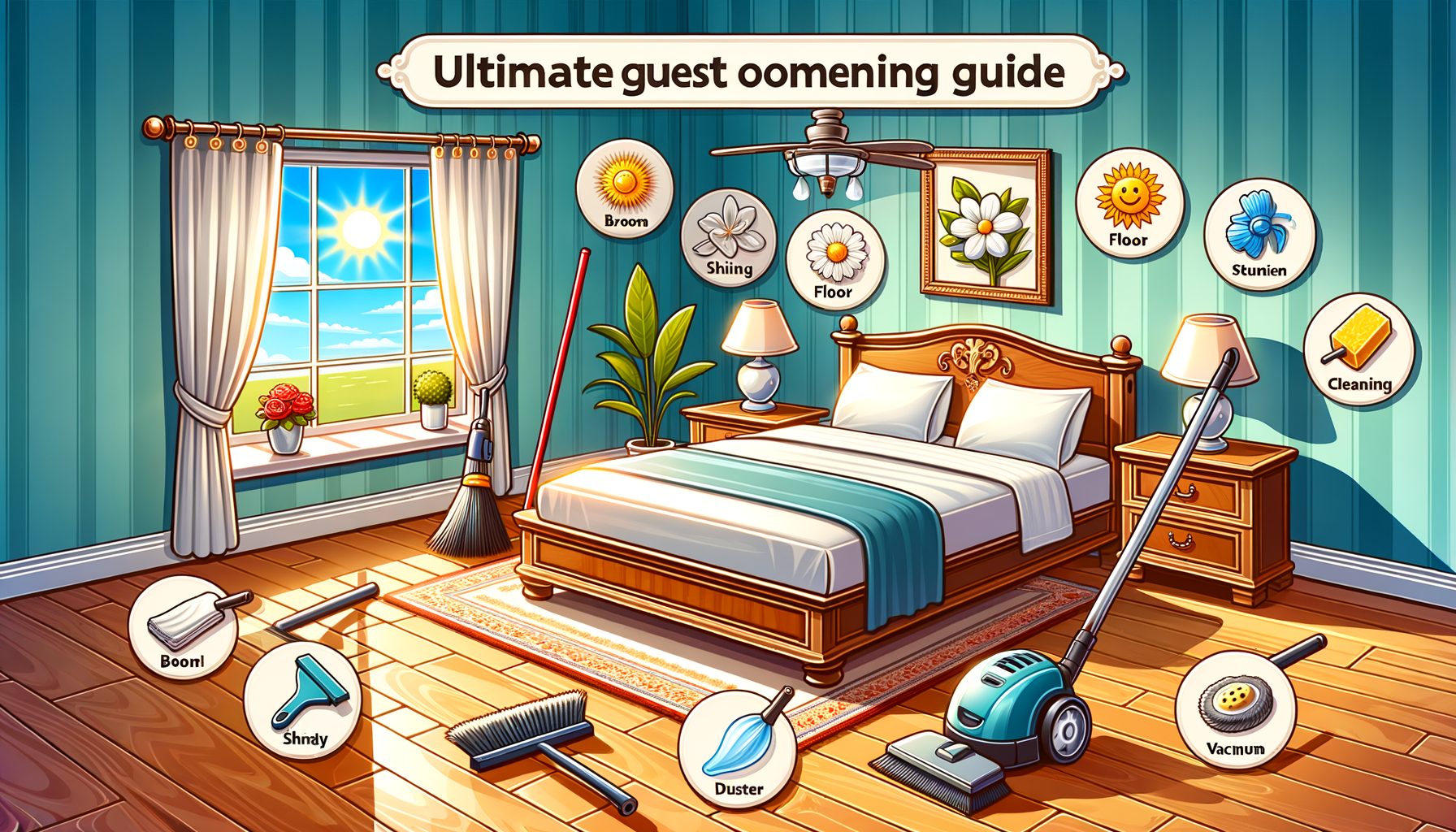
Surprise guests, fast turnovers, first impressions—guest room cleaning can feel like a race against time. Whether you host friends and family, manage a short-term rental, or run a small hospitality business, the stakes are real: one dusty corner or a stale odor can undo hours of prep. Here’s a guide that breaks guest room cleaning into practical, repeatable steps that work anywhere. Expect a rapid 30-minute routine, a deeper seasonal protocol, and science-grounded hygiene best practices. New to guest room cleaning? Or tightening your process? The strategies below are built to deliver spotless stays—consistently.
The real problem: “looks clean” isn’t always truly clean
Most people judge cleanliness by sight: no crumbs, a made bed, shiny surfaces. Yet a room may look fine while dust, allergens, and germs linger on high-touch hotspots (light switches, remotes, door handles). That gap—visual clean versus hygienic clean—often triggers negative reviews, allergy flare-ups, or awkward feedback. In hospitality, two cues hit first: smell and surfaces. If the room smells stale or the nightstand feels sticky, trust drops fast. And when trust slips, winning it back is tough, regardless of how friendly the service is.
Time pressure adds to the challenge. Hosts and property managers often face narrow windows between check-outs and check-ins. When the pace accelerates, mistakes creep in: ventilation gets skipped, chemicals are mixed incorrectly, or high-touch points get missed. Slow the process too much and efficiency, even profitability, suffers. The fix is a system—clear order of operations, smart tools, a consistent standard. What’s interesting too: science backs the details. Proper ventilation and correct disinfectant contact times measurably improve hygiene and comfort. For general guidance, see the U.S. Centers for Disease Control and Prevention on cleaning and disinfecting shared spaces: CDC Cleaning and Disinfection. For safe disinfectant choices and usage, consult the U.S. Environmental Protection Agency’s List N: EPA List N.
Then this: air quality is part of cleanliness. Good airflow reduces odors and dilutes airborne particles. The World Health Organization highlights ventilation as a core strategy for healthier indoor environments: WHO: Indoor Air Quality. Combine visual clean, hygienic clean, and clean air, and the result lands in the sweet spot guests love—and review positively.
A 30-minute guest room cleaning checklist (step-by-step)
Well, here it is: a time-boxed routine for turnovers or last-minute arrivals. Keep a caddy stocked with microfiber cloths, an all-purpose cleaner, glass cleaner, an EPA-registered disinfectant, a lint roller, trash bags, gloves, a small scrub brush, and a HEPA vacuum. Work top-to-bottom, clean-to-dirty, left-to-right. Open windows, when possible, to bring in fresh air while you work.
0–2 minutes: Reset and ventilate
- Prop the door open and crack a window to exchange air.
- Switch on the lights to reveal dust and smudges.
2–5 minutes: Clear clutter
- Remove trash, old amenities, used glasses, and laundry. Bag linens and towels to keep dust from redistributing.
- Empty bins and install fresh liners.
5–12 minutes: High-touch sanitize sweep
- Apply disinfectant to door handles, light switches, remotes, the thermostat, drawer pulls, faucet handles, and the hair dryer handle. Honor the product’s labeled contact time.
- Wipe with a clean microfiber. For remotes and keyboards, pick a residue-free wipe when possible.
12–18 minutes: Surfaces and glass
- Dust high to low: top shelves, frames, lampshades, headboard, nightstands, desk.
- Clean with an all-purpose solution; finish with glass cleaner on mirrors and windows for a streak-free shine.
- Spot-check walls and switch plates for fingerprints.
18–22 minutes: Bed reset
- Inspect the mattress protector; replace if soiled. Smooth the pad.
- Add fresh fitted sheet, flat sheet, duvet cover, and pillowcases. Align patterns and tags for a crisp, symmetrical look.
- Use a lint roller to pull hair and lint from textiles.
22–26 minutes: Floors
- Vacuum carpets thoroughly, or vacuum and damp-mop hard floors. Run a crevice tool along baseboards and under the bed.
- Lift chairs or small pieces slightly to clean beneath contact points.
26–30 minutes: Finishing touches
- Set the thermostat to a comfortable range, adjust window treatments for natural light, and place a small welcome card or local guide.
- Neutralize odors—don’t mask them. If needed, run a HEPA-plus-carbon air purifier for 10–15 minutes.
- Final scan: sit on the bed at guest eye level and look around. What’s visible from here is what guests will notice first.
Pro tips: Color-code cloths (e.g., blue for glass, green for general surfaces, red for bathroom) to prevent cross-contamination. Swap microfiber cloths once saturated. Never mix chemicals (especially bleach and ammonia). Hosting internationally? Offer fragrance-free linens and hypoallergenic pillows to accommodate sensitivities.
Deep cleaning protocol for spotless stays (monthly or between long bookings)
Even with a great turnover routine, hidden grime accumulates. A deep clean resets the room to as-new condition, boosting review scores and extending the life of furnishings. Plan monthly sessions for high-traffic rentals; quarterly may be enough for personal guest rooms. Put tasks into a simple checklist so nothing is missed and staff can replicate the standard.
Mattress and bedding
- Strip everything. Launder mattress and pillow protectors. If the fabric allows, use the warmest suitable setting (up to 60°C/140°F) and dry completely.
- Vacuum the mattress with a HEPA tool, focusing on seams. Spot-treat stains per manufacturer guidance.
- Rotate the mattress 180 degrees (flip if double-sided) to distribute wear.
Furniture and fixtures
- Pull nightstands and beds away from walls to vacuum dust bunnies and wipe baseboards.
- Clean lampshades with a lint roller or vacuum brush; wipe lamp bases and cords.
- Condition wood surfaces with a compatible, non-silicone product to prevent drying.
Windows and soft goods
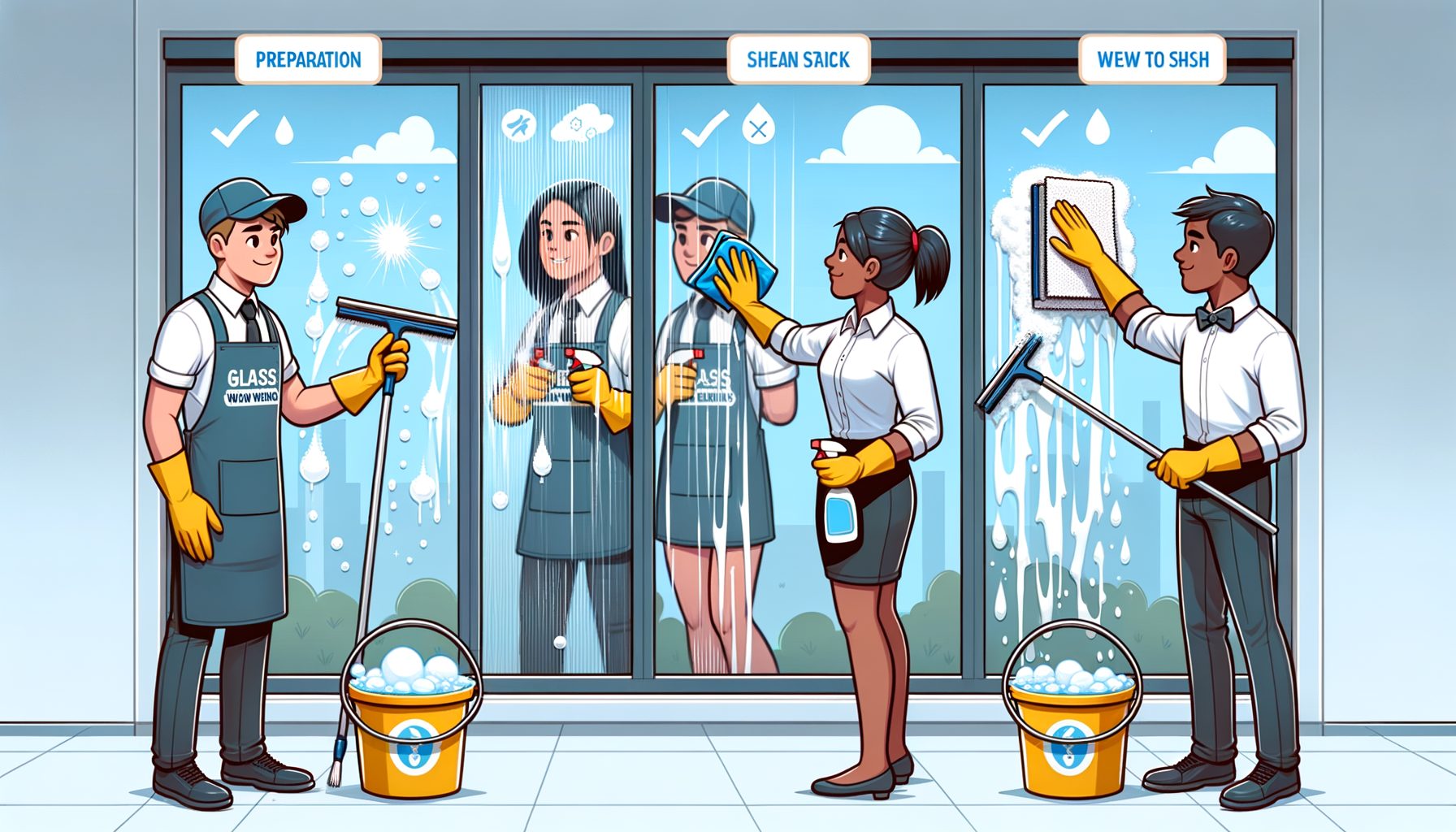
- Wash windows inside (and outside if accessible). Clean tracks and sills where dust and pollen collect.
- Launder curtains or steam them in place. Vacuum blinds with a brush attachment, slat by slat.
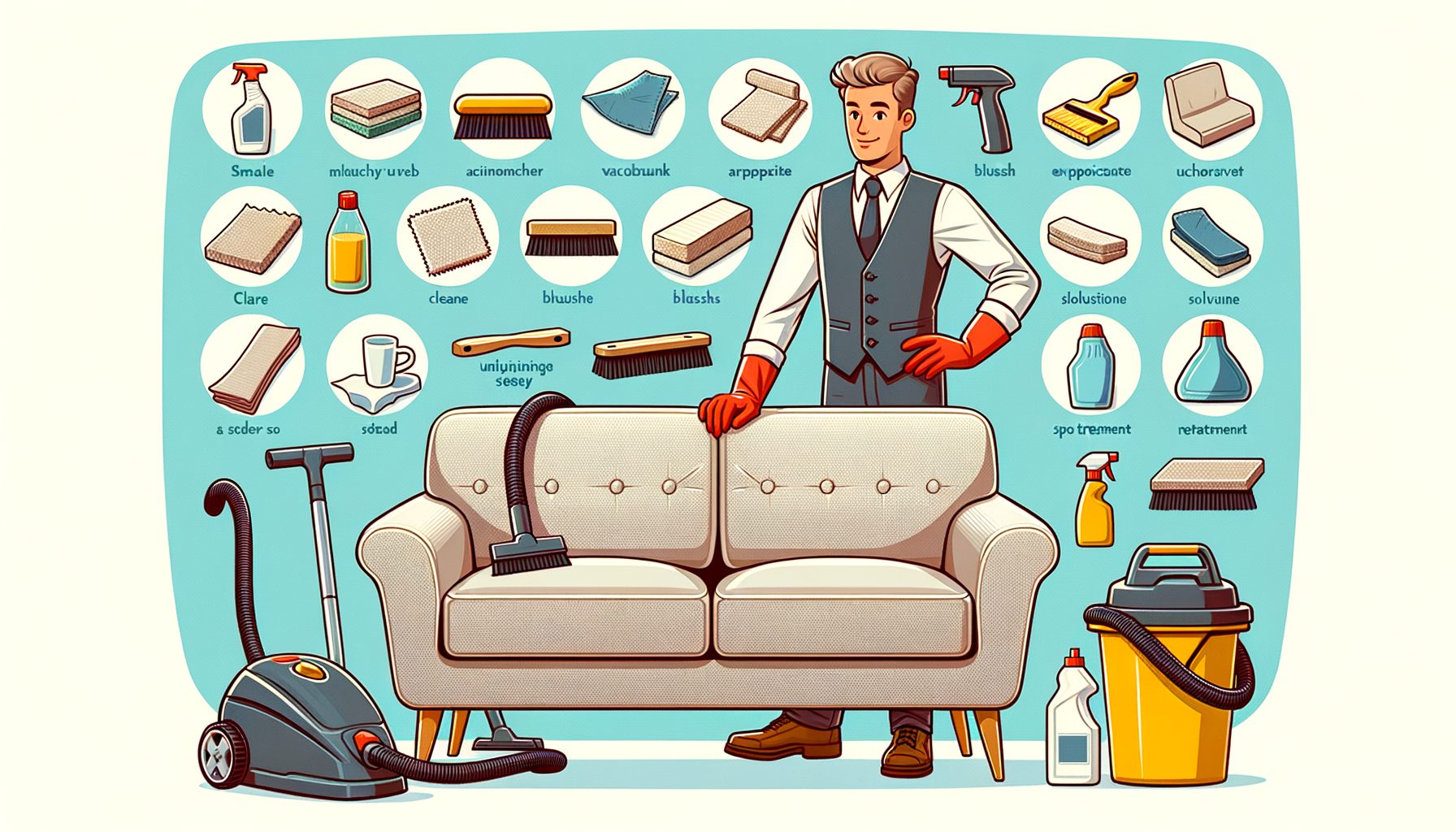
- Refresh decorative pillows and throws. If not washable, use a fabric-safe sanitizing spray and air thoroughly.
Floors and edges
- Detail vacuum edges, under the bed, and behind furniture using crevice tools.
- Spot-treat carpet stains with the right solution (protein vs. tannin vs. oil-based). Blot—don’t rub.
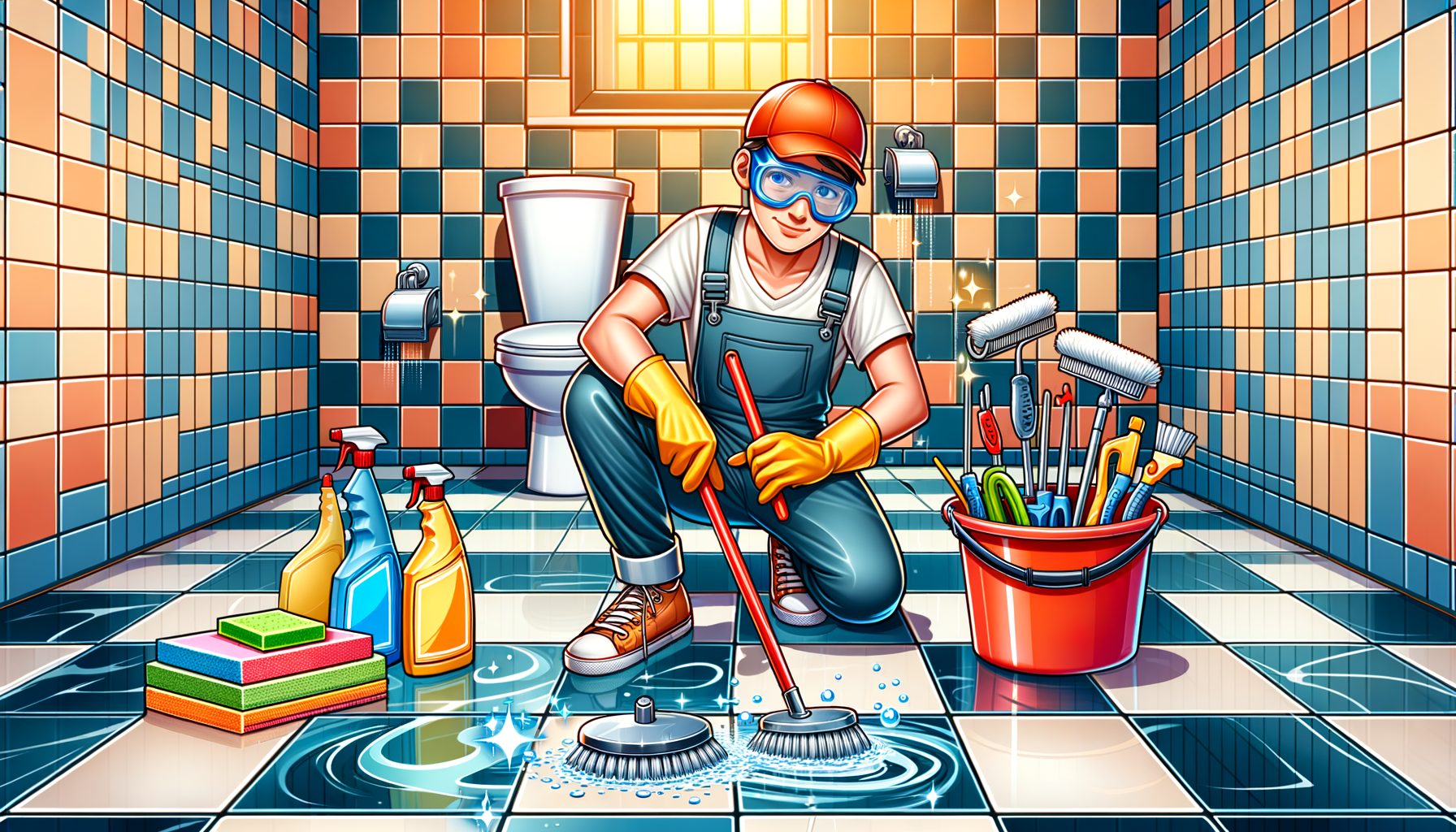
- On hard floors, remove scuffs carefully and mop with a neutral pH cleaner suited to the material.
Systems and safety
- Replace or clean HVAC filters. Dust vent covers and ceiling fans; air quality and smell are directly affected.
- Test smoke and CO alarms; replace batteries if needed.
- Audit cleaning chemicals: check expiry dates, confirm labels are intact, and store away from linens.
Documentation pays off. Photograph the room after deep cleaning to set a visual standard. Managing listings? Share your process in the description. Short-term rental platforms often highlight cleanliness practices; see Airbnb’s cleaning resources: Airbnb Cleaning Guidance. Clear expectations build guest confidence before they arrive.
Hygiene and disinfection: what science says (and how to apply it)
Cleaning removes dirt; disinfection reduces germs to safer levels. Both matter. Sequence matters too: clean first, then disinfect high-touch points, following the label for contact time (how long the surface must stay wet). Many EPA-registered disinfectants need 1–10 minutes of wet time—cutting this short reduces effectiveness. Always ventilate when using chemicals, wear gloves, and never mix products.
Prioritize high-touch hotspots: door and closet handles, light switches, remotes, thermostats, faucet handles, toilet flush levers (if ensuite), drawer pulls, hair dryer handles, and appliance buttons (kettle, coffee maker). Electronics require gentle care—use about 70% isopropyl alcohol wipes if allowed by the manufacturer, applied to a cloth, not directly to the device. For guidance on choosing disinfectants and using them properly, consult the EPA: EPA: Disinfectants and Contact Time. For general hygiene in shared spaces, the CDC provides practical resources: CDC: Hygiene.
Quick reference follows. Always defer to the product label and the surface manufacturer’s instructions.
| Surface | Recommended Frequency | Preferred Product | Typical Contact Time | Notes |
| Door handles & light switches | Every turnover; daily during long stays | EPA-registered disinfectant or 70% alcohol | Per label (often 1–5 min) | Keep surface visibly wet for full contact time |
| TV remote & electronics | Every turnover | 70% alcohol wipe | ~30–60 seconds | Apply to cloth first; avoid liquid ingress |
| Nightstands & desks | Every turnover | All-purpose cleaner, then disinfectant | Per label (1–10 min) | Clean first to remove oils and dust |
| Faucets & sink handles | Every turnover | Bathroom cleaner + disinfectant | Per label | Rinse compatible metals to prevent spotting |
| Soft furnishings (fabric) | Weekly or between guests | Fabric-safe sanitizer or steam | N/A (follow device/product) | Test hidden area; avoid overwetting |
For air quality, consider a HEPA air purifier with activated carbon if odors linger or if guests have sensitivities. The WHO recommends improving ventilation to reduce indoor pollutants and enhance comfort: WHO: Ventilation Q&A. Even a simple 10-minute window opening (weather and safety permitting) can refresh the space. Then this: document your disinfectant brand and method in your listing or welcome guide—it signals transparency and professionalism, helping your property stand out on platforms like Google and Booking.
Q&A: common guest room cleaning questions
Q: How often should I deep clean a guest room?
A: For rentals or frequently used guest rooms, aim for monthly deep cleans. For occasional home guests, quarterly is reasonable. After longer stays (e.g., 7+ nights), perform a mini deep clean to reset bedding, vents, and soft furnishings.
Q: What’s the fastest way to prepare for surprise guests?
A: Ventilate immediately, clear clutter, sanitize high-touch points, reset the bed with fresh linens, and vacuum visible traffic areas. If time is extremely tight, prioritize smell (fresh air) and touchpoints (handles, switches, remotes).
Q: Are “green” cleaners effective?
A: Yes—when certified and used correctly. Look for third-party certifications and, for disinfection, products registered with relevant authorities (e.g., EPA-registered in the U.S.). Follow label directions for dwell time and coverage.
Q: How do I prevent lingering odors without heavy fragrance?
A: Eliminate the source: launder textiles, empty trash, clean drains if ensuite, and ventilate. Use HEPA plus carbon filtration, sprinkle baking soda on carpets (vacuum after 15–30 minutes), and stick with fragrance-free detergents to keep the scent neutral.
Q: What should I share with guests to build trust?
A: Provide a one-page cleanliness summary: last deep clean date, laundering standards for linens, disinfected touchpoints, and air quality practices. Transparency drives positive reviews and return stays.
Conclusion: raise your standard, reduce your stress, delight every guest
You’ve seen the gap between “looks clean” and “truly clean,” and how a simple, repeatable system closes it. The 30-minute routine provides a reliable turnover blueprint; the deep-clean protocol returns the room to like-new; and science-based hygiene ensures your efforts count. Together, these steps deliver what guests care about most: a room that smells fresh, feels safe, and looks immaculate from every angle.
Start today. Build a compact cleaning caddy, print or save the 30-minute checklist, and put your next deep clean on a recurring calendar. If you manage a team, standardize with photos and assign ownership for high-touch checks and air quality. Well, here it is: share your cleaning standards in your listing or welcome guide—a low-effort, high-trust move that can boost ratings and repeat bookings.
The payoff is real: less scrambling before arrivals, fewer complaints, more compliments. Your guest room becomes a quiet advantage—one that turns first-time visitors into loyal fans. Bookmark this guide, put the steps into practice on your next turnover, and track results for two weeks. You’ll feel the difference in your workflow, and your guests will feel it the moment they walk in.
Clean is a promise; keep it simple, keep it consistent, and keep it yours. Ready to level up the next stay? What’s the first 10-minute improvement you’ll make before your upcoming guest arrives?
Sources
CDC – Cleaning and Disinfecting: https://www.cdc.gov/flu/prevent/cleaning-disinfection.htm
CDC – Hygiene Resources: https://www.cdc.gov/hygiene/
EPA – List N Disinfectants and Contact Time: https://www.epa.gov/pesticide-registration/list-n-disinfectants-coronavirus-covid-19
WHO – Indoor Air Quality: https://www.who.int/teams/environment-climate-change-and-health/air-quality-and-health/indoor-air-quality
WHO – Ventilation Q&A: https://www.who.int/news-room/questions-and-answers/item/ventilation-and-covid-19
Airbnb – Cleaning Guidance: https://www.airbnb.com/help/article/2809