

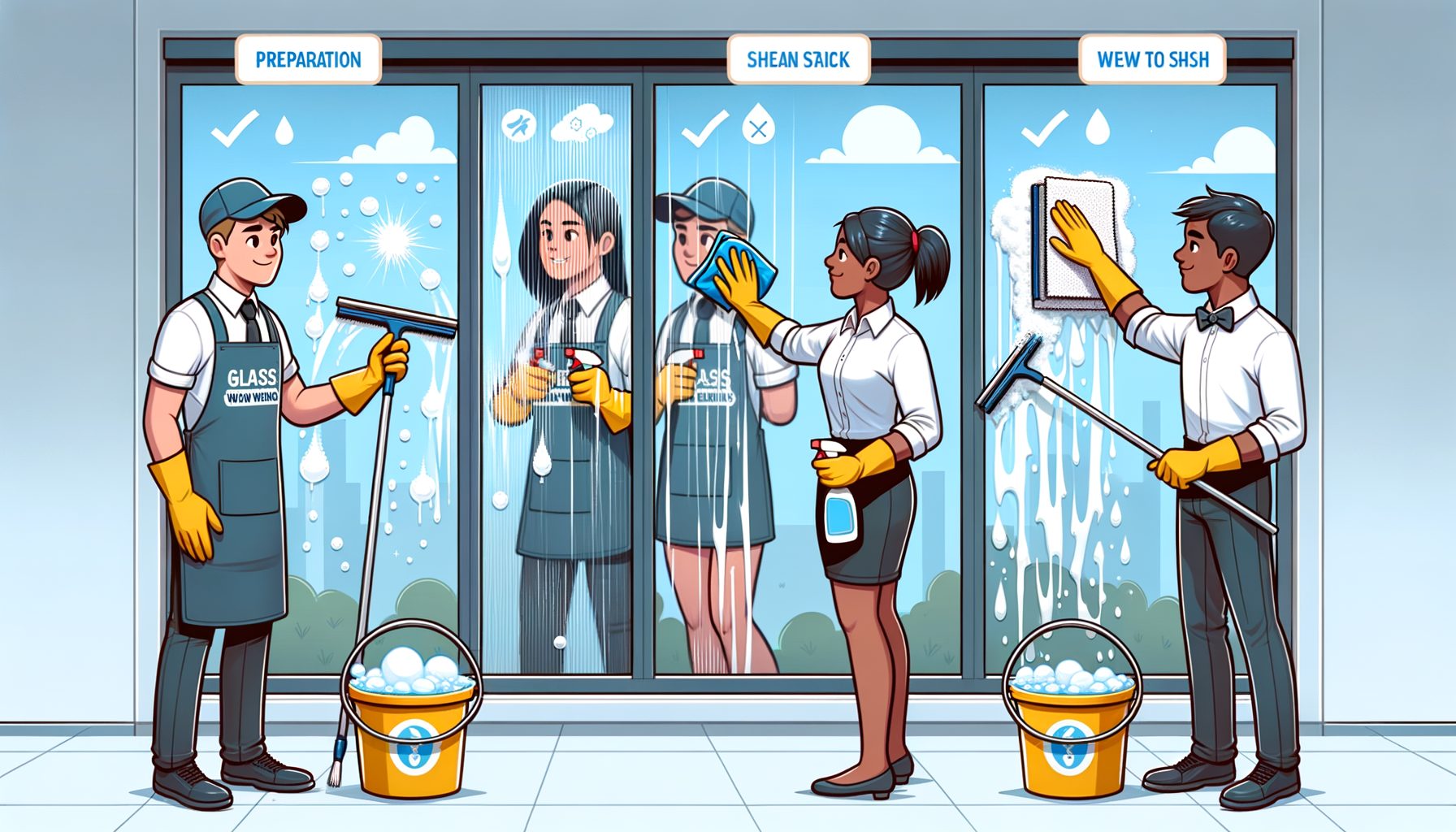
Streaks, haze, and stubborn spots can make even the best view feel dull. If you’ve tried glass window cleaning and still see marks after the glass dries, you’re not alone. The main problem is residue: soaps, minerals in hard water, lint, or fast-drying solution left in sunlight. The guide below breaks down why streaks happen and gives you a field-tested method to get a streak-free shine, fast. With pro tips you can use today—whether you’re cleaning a city apartment window, a storefront, or a family home—you’ll learn how to choose the right tools, mix simple solutions, and master a squeegee technique that consistently delivers crystal-clear results.
Why Windows Streak (and How to Stop It)
Streaks aren’t random. They usually come from a few predictable causes: too much detergent in your bucket, tap water that dries and leaves mineral traces, dirty or linty cloths, sunlight that evaporates your solution before you can wipe it, or an unclean blade on your squeegee. Understanding these factors turns glass window cleaning from guesswork into a reliable routine. Start by thinking of your process in two parts: the chemistry (what’s in your water) and the mechanics (how you move across the glass). If your tap water is hard, minerals like calcium and magnesium can dry into faint tracks; if your cloths shed lint or carry fabric softener residue, they can smear a thin film across the surface. Wind and sun accelerate evaporation, so the glass dries before you finish, locking residue in place.
To break the cycle, simplify your solution and keep your tools spotless. Use cool to lukewarm water with just a small amount of detergent—about 1 teaspoon of mild dish soap per 2 liters (roughly half a gallon). If your local water is very hard, switch to distilled water for mixing. Clean your squeegee rubber with a damp microfiber towel before you start, and wipe the blade after every single pass. Work in the shade or during cooler hours to slow evaporation. Finally, detail the edges with a dry, lint-free microfiber. It’s in these edges and corners that most streaks hide, so targeting them last gives your glass a sharp, finished look.
If you want to check your water hardness, the U.S. Geological Survey explains the basics of hard water and how common it is around the world. While mineral content varies by region, the fix is universal: when in doubt, use distilled water for a final rinse or for your cleaning mix if you live in a hard-water area. Small changes like this can cut streaks dramatically without buying expensive chemicals. For a safer product selection, consider the U.S. EPA Safer Choice label when choosing a ready-made glass cleaner; it helps identify products that perform well while being safer for people and the environment.
| Common Cause | Why It Streaks | Quick Fix |
|---|---|---|
| Too much soap | Excess surfactant leaves film after drying | Use ~1 tsp per 2 L water; rinse with distilled water if needed |
| Hard water | Minerals deposit as spots and lines | Mix with distilled water; spot-treat with white vinegar |
| Dirty/linty cloths | Lint and residue smear across glass | Use woven, lint-free microfiber; no fabric softener |
| Hot sun/wind | Solution dries before you remove it | Work in shade; smaller sections; squeegee quickly |
| Unwiped squeegee | Old solution transfers to next pass | Wipe blade after every pass; replace worn rubber |
Two final pro cues: always make a dry “cut” across the top edge before full passes, and overlap each squeegee stroke by 2–3 cm (about an inch). These small techniques prevent drip lines and are the reason pro results look so clean.
Pro-Grade Tools and Solutions on Any Budget
You don’t need a contractor’s van to achieve pro-level clarity. A few well-chosen tools beat a cabinet full of random sprays. A 10–14 inch (25–35 cm) squeegee with a replaceable rubber blade is the backbone of streak-free glass window cleaning. Pair it with a matching washer (a T‑bar with a removable microfiber sleeve) and a bucket. Add two microfiber glass towels—one damp for cleaning frames and a dry one for detailing edges. If your windows are tall, an extension pole rated for your squeegee system helps you reach safely without stretching from a ladder. For occasional sticky residue or paint specks, a quality window scraper with a new, sharp blade used on a wet surface can lift debris cleanly; always test a small area first, and avoid aftermarket window films.
On solutions, keep it simple. For everyday dirt, mix cool water with a teaspoon of mild dish soap per 2 liters. The low-suds, high-slip formula lets the squeegee glide while minimizing residue. For hard-water spots or mineral haze, spray a 1:1 white vinegar-to-water mix onto the affected area, dwell for 3–5 minutes, then wash and squeegee as normal. If you’re working in winter or in cold rooms where solution might freeze, add up to one cup of 70% isopropyl alcohol per gallon (about 240 ml per 3.8 L) to the bucket; use with good ventilation and keep away from flames.
If you prefer commercial glass cleaners, look for products recognized by the U.S. EPA Safer Choice program. These are formulated to clean effectively while considering people and planet. For reviews and comparative tests of glass cleaners and tools, Consumer Reports regularly evaluates performance and can help you pick a brand that fits your budget. Whatever you choose, do not mix cleaners, and never mix bleach with ammonia—this creates dangerous gases. If you’re unsure about chemical compatibility, the Poison Control resource on mixing household cleaners provides clear guidance.
Budget tip: invest in good microfiber and a dependable squeegee before splurging on specialty liquids. In practice, technique and tool maintenance matter more than brand. Replace squeegee rubber when you feel grabbing, nicks, or see faint lines left behind. Wash microfiber separately in warm water with a small amount of detergent, skip fabric softener (it reduces absorbency), and air-dry or tumble dry on low. That care routine keeps your cloths effective for months, saves money, and helps you avoid streaks caused by worn-out textiles.
Safety is an essential “tool” too. If you must use a ladder, set it on level ground, maintain three points of contact, and never overreach. For commercial-sized panes or high exterior windows, consider a professional with proper safety training and gear. The International Window Cleaning Association and OSHA publish safety guidelines that are worth reading even for homeowners.
Step-by-Step Method for Indoor and Outdoor Glass
Great results come from a consistent method. Start by preparing the area. Open curtains or blinds, remove or label screens, and lay a towel on interior sills to catch drips. Dust frames and tracks with a dry microfiber or soft brush; cleaning glass before removing grit increases scratches. Fill your bucket with cool water and the soap ratio described earlier. If you’re working under bright sun, plan to wash in smaller sections so the solution doesn’t dry on the glass.
Wet the washer sleeve thoroughly and wring lightly so it doesn’t flood the glass. Apply the solution to the window using overlapping strokes to cover every corner, frame to frame. Give special attention to fingerprints, edges, and any bird marks; a gentle circular motion helps loosen residue. For visible mineral spots, pre-treat with the 1:1 vinegar mix, let it sit for a few minutes, and then wash as usual.
Before your main passes, make a dry “cut” across the top edge using the squeegee. It’s a quick horizontal swipe along the top frame with a dry blade and a dry corner of your detailing cloth; runoff lines are prevented. Now, squeegee the pane from top to bottom in parallel passes, or use the “S‑stroke” technique: move the squeegee in a fluid zig-zag pattern, keeping the leading edge slightly lifted and overlapping each stroke by 2–3 cm. The key is pressure that’s firm but even. After each pass, wipe the squeegee rubber on your damp microfiber to remove collected water and dirt. Work steadily so the solution doesn’t dry on the glass.
When the pane is clear, use your dry microfiber towel to “detail”: trace the perimeter edges and corners to pick up any residual moisture. A short but critical step—most faint streaks live at the edges. For divided lights or small panes, use a smaller squeegee (15–20 cm) or two quick vertical passes per pane to avoid drips. For sliding doors, clean the fixed pane first, then the slider; wipe tracks with a damp cloth and dry to reduce grit that can scratch glass later.
Outdoor windows may have more debris, pollen, or insect droppings. Rinse first with a hose in a gentle stream to knock off loose dirt. For second-story windows, an extension pole paired with your squeegee and washer can keep you off a ladder for many panes. However, for complex angles or skylights, prioritize safety; use stable platforms or hire a pro. Avoid direct midday cleaning in hot, dry weather; early morning or late afternoon light makes it easier to see streaks and keeps solution workable.
As a finishing touch, step back and check the glass from different angles. Natural light can reveal faint lines you might miss head-on. If you see a streak, it usually means the squeegee rubber needs a wipe, or a small edge drip was left behind—two quick swipes with your microfiber will resolve it. With practice, this full process becomes fast: many people can wash a standard residential window in 3–5 minutes with pro-quality results.
Troubleshooting Tough Problems (Hard Water, Paint, Film, and Safety)
Hard water stains appear as milky spots or rings that resist normal cleaners. They come from evaporated water leaving behind calcium and magnesium. For fresh spots, a 1:1 white vinegar and water solution often works if you let it dwell for several minutes before washing and squeegeeing. For older deposits, step up to a 5% citric acid solution, applied carefully and followed by a thorough rinse. If stains remain, a commercial mineral remover designed for glass can help—choose one with clear instructions and test first. Always avoid abrasives like scouring pads; they can permanently haze glass, especially low‑E and coated panes.
Paint overspray, sticker glue, or tree sap are different beasts. A new, sharp window scraper can safely remove small specks, but only on a wet, lubricated surface and with light, controlled strokes in one direction. Aftermarket window tint films, acrylic panels, and some sealed units can scratch easily; test a corner and check manufacturer care guides before scraping. If you see tiny sparkles in bright light after scraping, stop—this can indicate fabricating debris on tempered glass, which requires extra caution and often professional care.
Fogging or condensation between panes signals a failed seal, which cleaning can’t fix; consult a window specialist. Surface condensation on interior glass is usually a humidity issue. Improve ventilation, use kitchen and bath exhaust fans, or consider a dehumidifier. ENERGY STAR offers practical guidance on balancing humidity to reduce window condensation without over-drying your home. For mold or mildew on frames or tracks (not typically on glass itself), use a mild detergent and water, rinse, and dry thoroughly. Avoid mixing chemicals like bleach and ammonia; the fumes are dangerous and not worth the risk.
Cold-climate and rainy-day cleaning calls for adaptability. In cold weather, add a small amount of isopropyl alcohol to reduce freezing and work in smaller sections. Light rain doesn’t ruin a clean if the glass is already free of residue; in fact, rainwater is often softer than tap water and can dry surprisingly clean on well-washed windows. However, dust and pollutants on the glass will show when rain dries, which is why a proper wash makes such a difference.
Finally, think safety first. Many streak issues come from rushing or reaching too far. Set a stable ladder at the proper angle (about one-quarter of the ladder’s working length away from the wall), keep three points of contact, and don’t work alone on tricky outside windows. When in doubt, bring the window to you—remove screens, open sashes where possible, or hire a professional for high or awkward panes. The International Window Cleaning Association and OSHA provide checklists and training resources that make a real difference in preventing falls and injuries.
Q&A: Fast Answers to Common Window Cleaning Questions
Q: What’s the best weather for streak-free results?
A: Aim for a cloudy day or shade, early morning or late afternoon. Cooler glass slows evaporation, giving you time to squeegee cleanly without residue.
Q: Is vinegar or ammonia better for glass?
A: For mineral spots, vinegar (acetic acid) is a reliable first step. Ammonia cuts grease but can be harsh and may damage aftermarket window films. Check manufacturer guidelines for tinted or coated glass.
Q: Can I use newspaper to polish windows?
A: It’s an old tip, but modern inks and papers vary and can leave smudges. A woven, lint-free microfiber towel is more consistent, washable, and less likely to streak.
Q: Do I need distilled water?
A: If your tap water is hard, using distilled water in your mix—or at least for a final rinse—reduces spotting. In soft-water areas, tap water usually works fine with good technique.
Conclusion: Bring More Light In—One Pane at a Time
We began with the core problem: streaks and haze that dull your view and waste your time. You now have a clear system to solve it. The streak-free formula pairs simple chemistry (light soap, distilled water when needed, targeted vinegar for minerals) with clean mechanics (a pre-cut top edge, even squeegee passes with overlaps, and careful edge detailing). With a basic kit—a quality squeegee, a washer, and two good microfiber towels—you can handle indoor and outdoor glass with the same reliable method. You also know how to troubleshoot: use citric acid or specialty mineral removers for stubborn hard-water deposits, scrape only on wet glass with care, and avoid abrasive pads and risky chemical mixes.
Here’s your next step. Pick one room or one set of windows and try the process this week. Mix your solution, work in the shade, and focus on wiping the squeegee blade after every pass. Time yourself for fun—you’ll likely see each window drop to a quick, repeatable routine. If your water is hard, try a final rinse with distilled water on one pane and compare. Build a small toolkit you can grab anytime: squeegee, washer, bucket, microfiber towels, and a vinegar spray bottle. If you need to work at height, review ladder safety first or consider hiring a pro for those panes.
Cleaner windows bring more natural light, lift your space, and can even improve mood and productivity. The reward is immediate, and the technique gets easier every time. Ready to see the difference today? Choose one window, follow the steps, and enjoy the view you’ve been missing. Let the light in—and let it shine. Which window will you tackle first?
Outbound Resources
EPA Safer Choice: Find safer cleaning products
USGS: Hardness of Water (explanation and map)
International Window Cleaning Association: Safety Resources
Poison Control: Never mix bleach with ammonia
ENERGY STAR: Condensation Basics
Pilkington: Cleaning Your Glass (manufacturer guidance)
Consumer Reports: How to Clean Windows
Sources
U.S. Environmental Protection Agency (EPA). Safer Choice Program.
U.S. Geological Survey (USGS). Water Science School: Hardness of Water.
Occupational Safety and Health Administration (OSHA). Ladder Safety.
International Window Cleaning Association (IWCA). Safety Resources.
Poison Control (National Capital Poison Center). Never Mix Bleach with Ammonia.
ENERGY STAR. Condensation Basics.
Pilkington Glass. Cleaning Your Glass.
Consumer Reports. How to Clean Windows.