

Keeping a sofa looking new can feel impossible when life happens—coffee spills during Zoom calls, pet fur woven into cushions, and mystery marks that seem to appear overnight. If you’ve ever wondered where to start or what actually works, you’re in the right place. You’ll find an expert guide with upholstery cleaning tips that are simple, safe, and effective for most fabrics and lifestyles. Whether you rent a compact apartment or own a family home, you’ll learn how to remove stains, neutralize odors, and protect your furniture without overcomplicating the process. Stick around to uncover a proven method that saves time, money, and stress—plus the exact steps pros follow to keep sofas spotless.
The Real Reason Sofas Get Dirty (And Why It Matters)
As high-traffic surfaces, sofas trap everything you don’t want to think about: body oils, dust, pet dander, pollen, and microscopic food particles. Add humidity and everyday friction, and those contaminants get worked deep into fibers. Over time, fabric dulls, smells develop, and stains set—what could have been a quick wipe becomes a tough cleanup. Indoor air quality can also be influenced by soft furnishings. Dust mites and allergens accumulate in upholstery and may aggravate allergies or asthma in sensitive people. Regular maintenance isn’t only about a “showroom” look; it also supports a healthier home.
Most people vacuum floors more often than furniture—that’s one big reason sofas get dirty fast. Yet fabrics act like filters, trapping particles that a basic surface wipe won’t remove. Pet owners see this more acutely: dander binds to fibers, and tiny skin flakes plus natural oils help dirt cling. Even dark fabrics that hide stains can harbor odors and buildup. Drinks add another layer of risk—tannins in tea and coffee, sugars in soda, and dyes in wine can bond to fibers and cause long-term discoloration if not treated promptly and correctly.
Good news: fancy tools aren’t required to turn things around. A consistent routine and the right spot-cleaning strategy can dramatically extend your sofa’s life. First step, read the fabric care tag (often under cushions or the frame). You’ll see cleaning codes like W (water-based), S (solvent-based), WS (either), or X (vacuum only). Those codes determine what’s safe without harming the fabric’s color, texture, or backing. What’s interesting too, many people skip this and inadvertently “set” stains or create rings. With a little knowledge and a weekly habit, your sofa can stay cleaner, smell fresher, and last longer.
Step-by-Step Upholstery Cleaning Tips You Can Trust
Before grabbing a random cleaner, check the fabric code. It points to what’s safe to use:
– W: Use water-based solutions (mild dish soap, fabric-safe detergents).
– S: Use solvent-based cleaners (alcohol-based or specialized dry-cleaning solvents).
– WS: Either water- or solvent-based methods are okay.
– X: Vacuum only; spot-cleaning risks damage.
1) Dry Prep: Vacuum like a pro. A soft brush attachment lifts debris without fraying fibers. Move in slow, overlapping passes across cushions, creases, and seams. A HEPA vacuum helps capture fine allergens. Clear crumbs, hair, and grit first—cleaning over debris can grind soil deeper.
2) Spot Test: Always test solutions in a hidden spot. Apply, wait 5–10 minutes, blot, then let it dry. If color transfers, or the fabric darkens or stiffens after drying, stop and switch methods.
3) Mix a Safe Cleaner (for W/WS fabrics): In a bowl, combine 1 cup warm water with 1/4 teaspoon clear, mild dish soap. For odors, add 1 teaspoon white vinegar. For S-only fabrics (like some linen or rayon blends), choose an isopropyl alcohol-based cleaner (at least 70% alcohol), applied to a cloth—not directly to the sofa.
4) Blot, Don’t Rub: Lay a clean, white microfiber cloth over the stain and dab from the outside in. Rubbing spreads stains and roughs up fibers. Rinse the cloth as needed, and switch to a dry one to absorb moisture between passes. The goal isn’t force; it’s gentle, repeated lifts.
5) Rinse and Dry: On water-safe fabrics, lightly blot with a cloth dampened in plain water to remove residue. Then wick away moisture with a dry towel. Speed-dry with a fan and solid airflow. Heat tools should be avoided; some stains set and certain fabrics can shrink.
Real-world example: A fresh coffee spill on polyester (WS). Start by blotting with a dry towel to lift liquid. Mix the mild soap solution. Dab gently, refreshing the cloth as it browns. If a tan shadow lingers, add a tiny splash of white vinegar. Blot with plain water to rinse. Towel dry and point a fan at the spot. Done right, no ring, no smell, no sticky residue.
Well, here it is: a quick stain playbook to cut the guesswork.
| Stain | First Aid | DIY Solution | Avoid |
|---|---|---|---|
| Coffee/Tea | Blot immediately; do not rub. | W/WS: Mild soap + water; add a splash of white vinegar if needed. | Bleach; over-wetting cushions. |
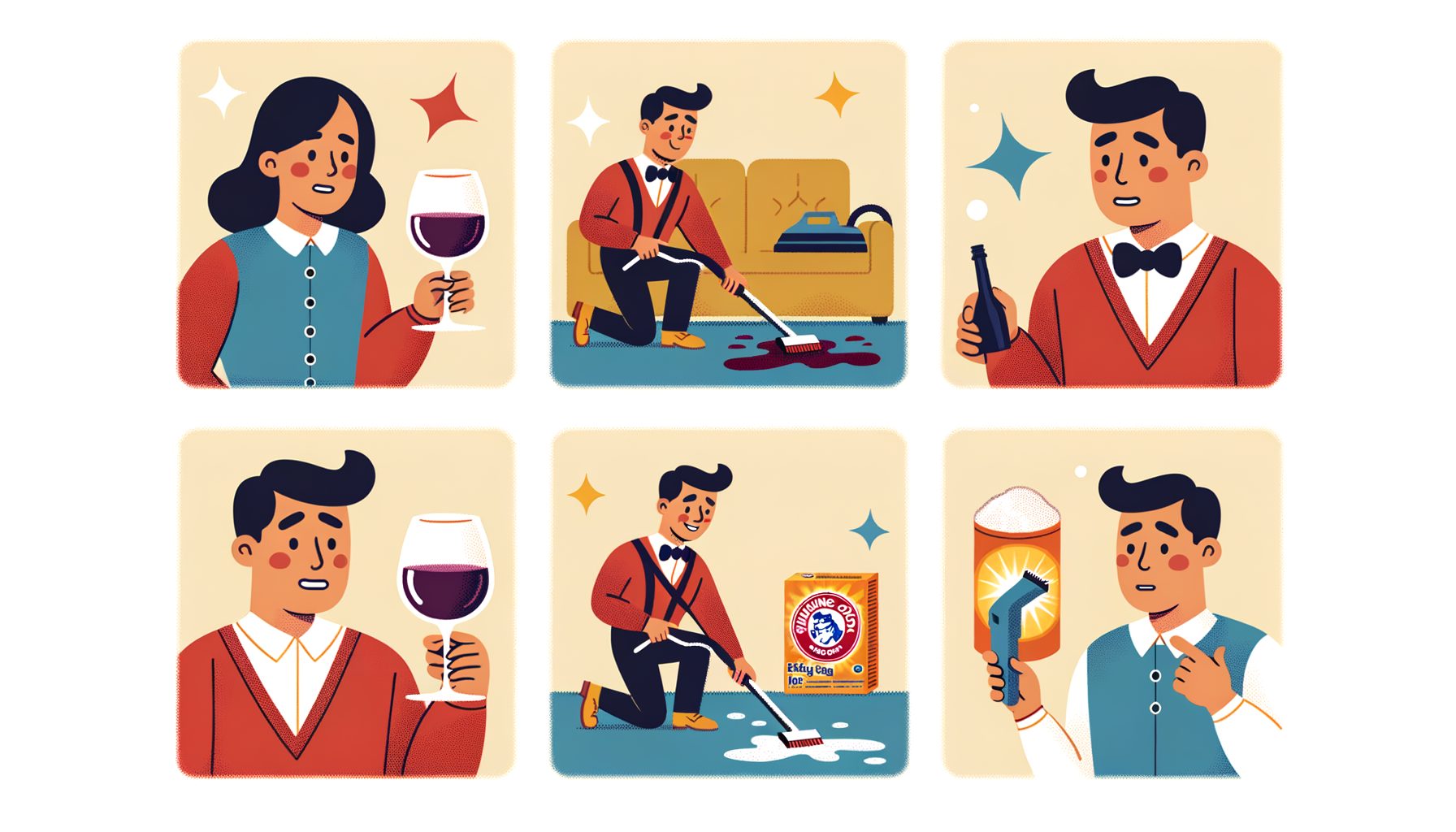
| Red Wine/Juice | Blot; sprinkle salt to draw out moisture (optional). | W/WS: Soap solution; follow with diluted vinegar. Repeat gently. | Hot water, which can set tannins. |
| Grease/Oil | Blot; dust with baking soda for 15 minutes, then vacuum. | S: Isopropyl alcohol on cloth; dab. W/WS: A drop of dish soap on damp cloth. | Rubbing hard; strong solvents on W-only fabrics. |
| Ink | Test first; work in small areas. | S/WS: Isopropyl alcohol on cotton swab; dab gently, lift, rotate swab. | Water on S-only fabrics; scrubbing. |
| Pet Urine | Blot thoroughly; address quickly. | W/WS: 1 cup water + 1 tsp vinegar; follow with mild soap; rinse blot. | Ammonia (can set odor, confuse pets). |
| Gum/Sticky | Harden with ice in a bag; chip off gently. | W/WS: Residue with mild soap solution. S: Light alcohol dab. | Heat, which drives adhesive deeper. |
For greener choices, look for products certified under the U.S. EPA Safer Choice program to minimize harsh chemicals without sacrificing performance. Always confirm compatibility with your fabric type. Then this: if you want deeper technical guidance and the standards professionals follow, the IICRC’s upholstery resources outline best practices for fiber care, pH safety, and moisture control. Explore here: EPA Safer Choice and IICRC.
Long-Term Maintenance, Odor Control, and When to Call a Pro
Consistency beats intensity. Spend 5–10 minutes weekly to prevent most deep cleans: vacuum all surfaces, rotate cushions, and spot-check armrests and headrests (oils collect there). Once a month, go a bit deeper—move cushions, vacuum crevices, and peek under throws. Pet-friendly tip: use a lint roller or rubber grooming glove to grab embedded hair before vacuuming. Deodorizing can be gentle and fabric-safe: air out cushions in indirect sunlight when possible, and skip heavy perfumes that only mask odors.
To prevent future stains, apply a fabric protector that matches your code. Always test first and ventilate well. Washable throws on high-contact zones (armrests, seat edges) add a discreet barrier, and darker or patterned covers help camouflage minor mishaps. Keep food dyes, oily snacks, and nail polish away from the sofa—or use a tray and cover for movie nights. Act within minutes of a spill and the difficulty of removal often drops by more than half.
Not sure when to bring in a pro? Call one if stains spread across multiple areas, odors return after DIY attempts, the fabric is marked S or X and you’re uncertain, or it’s been 12–18 months since the last deep clean. Controlled moisture, fiber-specific solutions, and calibrated extractors are used by pros to minimize overwetting and speed drying. Ask for technicians certified by IICRC or equivalent bodies, and request a fiber test with a written estimate. Costs vary by location and fabric, but many households find a yearly professional clean keeps sofas fresher and extends lifespan. If indoor air quality matters—especially for allergy sufferers—prioritize HEPA-equipped vacuums and low-residue, low-VOC cleaners. For background on allergen reduction, see CDC guidance: CDC: Asthma Triggers.
FAQs
How often should I clean my sofa?
Vacuum weekly, spot-clean as needed, and plan a deeper clean every 3–6 months. With pets or allergies, increase frequency and use a HEPA vacuum.
Can I use baking soda to deodorize upholstery?
Yes. Sprinkle lightly, wait 15–30 minutes, and vacuum thoroughly. Test first on delicate fabrics and avoid grinding powder into fibers.
Is steam cleaning safe for all fabrics?
No. Some fibers shrink or watermark with steam, especially S or X-coded fabrics. Check your care tag and manufacturer guidance before using heat or moisture.
What if I don’t know my fabric code?
Look under cushions or the frame for tags. If missing, check the manufacturer’s website or contact support. When in doubt, test a tiny area and choose the gentlest method.
Conclusion: Your Sofa, Refreshed—Now and Next
Here’s the bottom line: sofas collect more than meets the eye, but with smart vacuuming, the right fabric code, gentle solutions, and quick action on spills, most stains and odors can be kept from becoming permanent. We covered why sofas get dirty, the safe step-by-step cleaning process, a practical stain playbook, and the habits that keep fabrics fresher longer. You also know when DIY is enough and when a certified pro earns the call.
Take action today. Pick one quick win: vacuum with slow, overlapping passes, or finally treat that one spot you’ve been ignoring. Build a simple routine—weekly quick clean, monthly deeper pass, and, if needed, a yearly professional refresh. If you prefer eco-friendly options, choose Safer Choice-certified products and prioritize low-residue cleaners to reduce re-soiling.
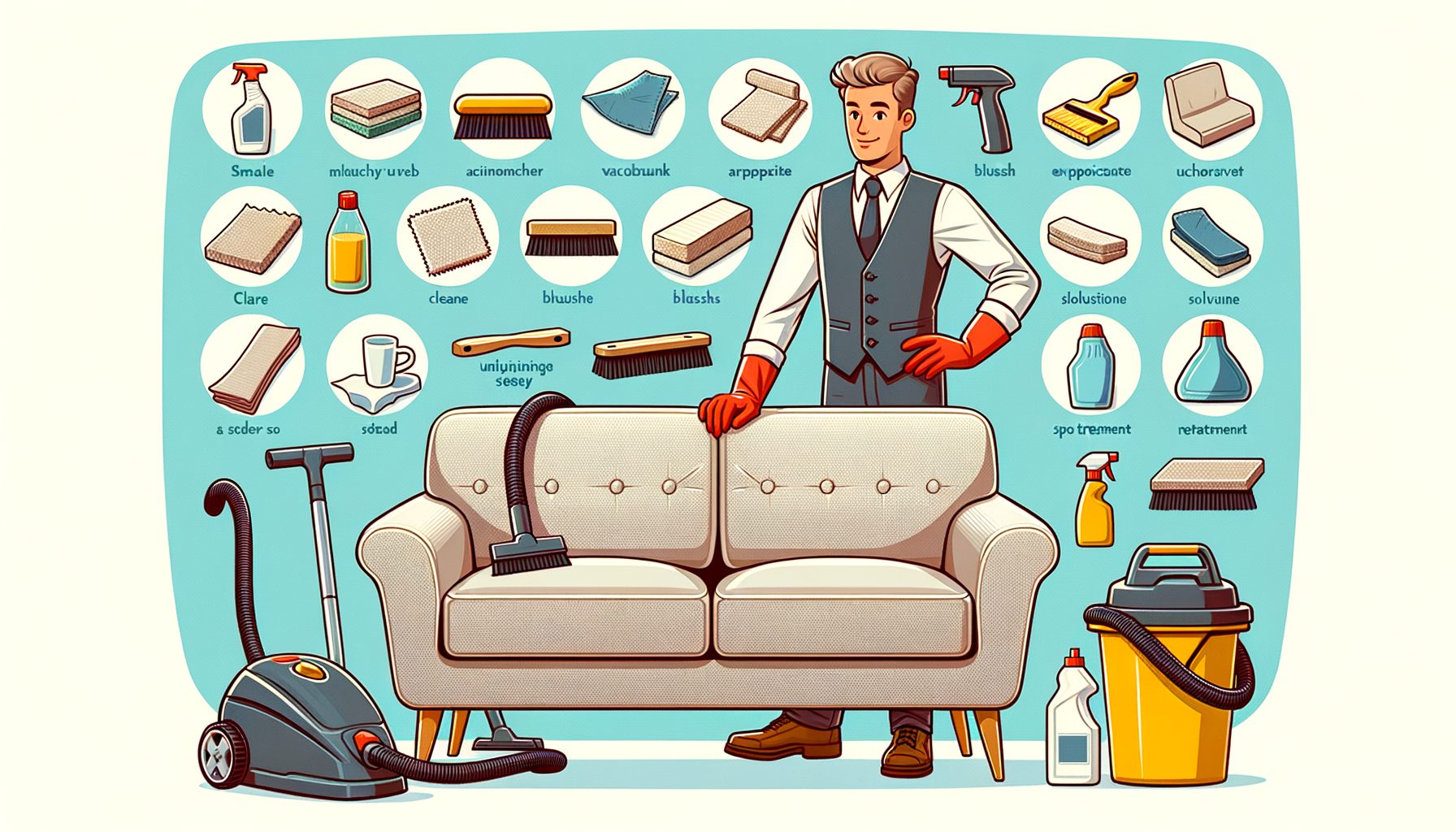
Your living space should feel inviting, clean, and comfortable—without complicated routines. With consistency and informed choices, your sofa can stay guest-ready, movie-night cozy, and kinder to your indoor air. Want an easy next move? Snap a photo of your care tag, save it to your phone, and assemble a mini cleaning kit: white microfiber cloths, mild dish soap, vinegar, isopropyl alcohol, and a soft brush attachment for your vacuum. You’ll be ready for anything.
Ready to transform your sofa care? Start now, and share your best before-and-after with a friend or roommate to keep the momentum going. Small habits, big results—what’s the first spot you’ll tackle today?
Sources
U.S. Environmental Protection Agency: Safer Choice
Institute of Inspection, Cleaning and Restoration Certification (IICRC)
Centers for Disease Control and Prevention: Asthma Triggers