

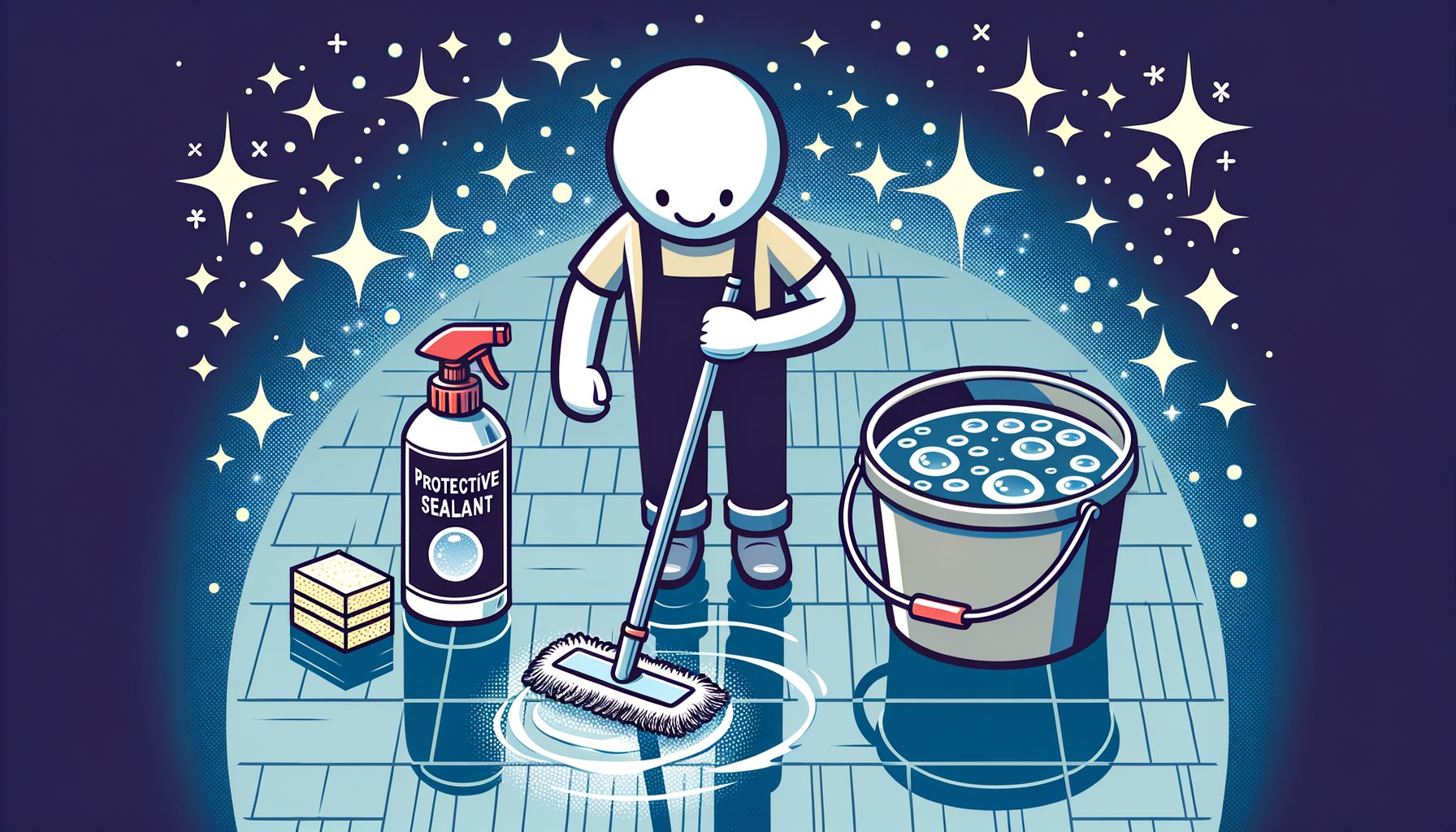
Hardwood Floor Cleaning can feel like walking a tightrope: you want spotless shine without stripping the finish, battling scratches, or risking water damage. Perhaps your floors still look dull even after a mop. Gritty dust may be leaving micro-scratches. And chances are you’ve heard conflicting advice about vinegar, steam mops, and “miracle” polishes. Well, here it is—a guide that solves those problems in plain language. You’ll learn exactly how to clean, protect, and keep hardwood floors gleaming—safely and efficiently—using steps that fit busy schedules. Stick around for practical checklists, real-world tips, and expert-backed methods that preserve beauty and value for years.
Know Your Hardwood: Finish Types, Sealed vs. Unsealed, and Why It Matters
One of the most overlooked keys to hardwood floor care is understanding the finish on top of the wood. That clear top layer dictates how your floor reacts to water, cleaners, and abrasion. Sealed surfaces—think polyurethane or aluminum oxide—are built to resist water on the surface and tolerate a pH‑neutral cleaning solution. Oil-finished (hardwax oils) or unsealed floors allow water and acids to penetrate more easily, so gentler methods and products are essential.
Why it matters: choose the wrong product for your finish and the sheen can dull, the surface may cloud, or long-term damage could lead to costly recoating. For example, acids (like strong vinegar solutions) can etch or haze polyurethane over time. Likewise, wax-based products can contaminate a surface intended for future recoating, complicating professional refinishing. A quick test to start: place a drop of water in an inconspicuous spot—if it beads, your floor is likely sealed; if it absorbs quickly, it may be unsealed or oil-finished, and low-moisture methods fit best.
What’s interesting too: hardwood expands and contracts with humidity. When homes wander outside the 30–50% relative humidity range, cracks, cupping, or gaps can appear. It directly impacts cleaning because over-wet methods drive water into gaps, amplifying movement or causing edge damage. The National Wood Flooring Association (NWFA) offers homeowner guidance on maintenance and environmental control (see: NWFA). From a practical standpoint, if streaks or dull patches show up after cleaning, you might have a chemistry issue (product not compatible with your finish) or a residue issue (too much cleaner or water left behind).
In professional practice, finish identification always comes first. Out on jobs, beautiful floors are often dulled by well-meaning “shiny” products that leave waxy films. The fix? Reset with a manufacturer-approved cleaner and a microfiber system, then adjust humidity and routine care. In short, before you touch a mop, confirm your finish. If you’re unsure, review your floor documentation, ask the installer, or contact the brand. When in doubt, reach for a pH‑neutral hardwood cleaner designed for sealed surfaces and test in a closet or corner.
Daily and Weekly Routine for Hardwood Floor Cleaning
Consistent, low-effort maintenance beats occasional deep cleaning. Think of it as protecting your finish from sandpaper—because grit essentially acts like that. Daily or near-daily dust control and quick spill response do more than anything else to keep hardwood floors looking new.
Begin with dry dusting. A high-quality microfiber dust mop (or a stick vacuum with a soft, hard-floor brush) captures grit, hair, and crumbs. Microfiber grabs fine particles better than cotton, reducing the micro-scratches that dull the finish over time. For households with pets or kids, daily dusting makes a dramatic difference. If you vacuum, use “hard floor” mode and avoid beater bars that can scuff finishes. Just a quick pass in high-traffic areas—entryways, kitchens, and hallways—pays off in fewer scratches and longer shine.
Spills? Blot immediately with a dry or slightly damp cloth. Liquids should never pool. Water, pet accidents, and sugary drinks can seep into seams and cause discoloration or even board swelling. If a sticky mess needs cleaner, apply a small amount of a pH‑neutral hardwood floor cleaner and wipe dry. Harsh chemicals, ammonia, and oil soaps are best left on the shelf; they can leave films or alter the sheen.
Each week, add a damp-cleaning step. Lightly mist the floor with a hardwood-safe cleaner or use a pre-moistened microfiber pad designed for wood floors. Work in sections, moving with the grain. Keep the mop head barely damp—if droplets are left behind, it’s too wet. Replace or rinse pads as soon as they look dirty; a grimy pad only smears soil around. That routine prevents embedded grime, reduces allergens, and preserves finish clarity.
Small upgrades extend a floor’s life in a big way: place doormats inside and outside entries, add felt pads under furniture legs, and use chair glides where chairs move often. Rotate area rugs seasonally to even out wear and sun exposure. Then this: if you have a dog that loves to sprint, a runner in the hallway can save you from scuff lines. Over time, these micro-habits keep weekly cleaning easy and your floors photo-ready.
Deep Cleaning Without Damage: Safe Mopping, Products, and DIY Tips
Deep cleaning hardwood floors should never involve soaking them. Your goal is to lift stuck-on dirt and restore clarity without saturating or stripping the finish. Choose a pH‑neutral hardwood cleaner and a high-quality microfiber flat mop. Steam mops should be avoided; high heat and moisture can force steam into seams, causing finish failures or cupping. For heavy soil, two light passes beat one wet pass.
What about DIY solutions? Mild, properly diluted mixtures can work on well-sealed floors, but caveats apply. Vinegar-and-water solutions are popular, yet acidic enough to dull polyurethane over time. If you use it at all, keep it extremely dilute (for example, 1 teaspoon vinegar per quart of water), test in a closet, and avoid oil-finished or waxed floors. Many manufacturers—and professional refinishers—prefer dedicated hardwood cleaners to prevent residue and pH issues. Brands that specialize in wood-floor care often publish finish-safe guidance (see Bona’s cleaning tips).
Here’s a fast reference for matching cleaners to finishes:
| Finish Type | Use | Avoid |
|---|---|---|
| Polyurethane/Aluminum Oxide (Sealed) | pH‑neutral hardwood cleaner, lightly damp microfiber | Steam mops, strong acids/bases, oil soaps, wax polishes |
| Hardwax Oil / Penetrating Oil | Manufacturer-approved soap/cleaner; minimal water | All-purpose detergents, vinegar, acrylic polishes |
| Unsealed, Shellac, or Lacquer | Dry methods, spot clean with barely damp cloth | Water mopping, steam, solvent-heavy products |
Technique matters as much as product choice. Work small areas and rinse or change pads often so dirty solution isn’t pushed around. If streaks appear, you may be using too much cleaner or not turning over clean pads frequently enough. Sticky residue often signals an incompatible product or excess solution left on the surface. I follow a simple “wring-out test”: if squeezing the mop pad with one hand would drip, it’s too wet for hardwood.
For scuffs and marks, try a white (non-scratch) melamine pad with water on sealed finishes—light pressure only, then dry. Rubber shoe scuffs often release with a dry microfiber or a pencil eraser. Dark water rings may indicate moisture penetration: start with a gentle cleaner; if the ring persists, a professional screening and recoating may be required. Oil and food stains on unfinished or oil-finished floors sometimes respond to an appropriate wood soap or a spot treatment recommended by the floor manufacturer. When in doubt, test methods in a hidden spot and consult manufacturer guidance or a certified pro (NWFA maintains resources for consumers: woodfloors.org).
Protecting Shine for the Long Run: Humidity, Rugs, Pads, Polishing, and Recoating
Cleaning creates shine for today; protection preserves shine for tomorrow. The most powerful long-term protector is stable indoor humidity. Wood performs best around 30–50% relative humidity and 60–80°F. Keep a small digital hygrometer in your living area to monitor. In dry winters, a humidifier can prevent gapping; in humid summers, a dehumidifier or air conditioning helps prevent cupping. The U.S. Environmental Protection Agency notes that managing indoor humidity safeguards both home materials and health, with 30–50% often cited as ideal to reduce moisture-related risks (EPA: Mold & Moisture Guide).
Next, minimize abrasion. Place walk-off mats at entries and ensure they are breathable (avoid rubber-backed mats that can trap moisture or stain). Felt pads or furniture glides should be used under every leg—chairs, sofas, tables, plant stands. Replace pads as soon as they compress or collect grit. If you host gatherings or work from home in a rolling chair, consider a rug or a hardwood-safe chair mat to prevent track marks. Sunlight matters too; UV exposure can amber or fade wood and finishes. Rotate rugs periodically and consider UV-filtering window treatments in rooms with strong sun.
About polishing: avoid generic “polish” or “gloss restorer” products unless they’re explicitly approved for your floor’s finish. Many of these contain acrylics or waxes that build up, creating patchy shine, slippery spots, or adhesion problems when recoating time arrives. If your sealed floor looks tired but not damaged, ask a pro about a screen-and-recoat service. A light abrading of the existing finish followed by a fresh topcoat can restore a like-new sheen without a full sand-down. Oil-finished floors, by contrast, may need periodic maintenance oil; follow the brand’s schedule and product recommendations for best results.
Finally, timing beats repair. Clean dirt promptly, control humidity proactively, and manage abrasion daily. A client with a high-energy dog cut scratches in a hallway within months; adding a runner and weekly dusting dramatically slowed wear. Over a year, the difference in sheen between protected and unprotected areas was obvious. The takeaway: protection isn’t complicated—just consistent. Combine humidity control, smart soft surfaces, and finish-compatible maintenance for hardwood floors that stay rich and reflective for years.
Hardwood Floor Cleaning FAQs
1) Can I use vinegar to clean hardwood floors?
Use caution. Vinegar is acidic and can dull polyurethane finishes if used regularly or at high concentrations. If you try it on a sealed floor, keep it very dilute (about 1 teaspoon per quart of water), test in a hidden area, and wipe dry immediately. Many manufacturers recommend pH‑neutral, finish-specific cleaners instead—especially for warranties and long-term clarity.
2) Are steam mops safe for hardwood?
No. Steam forces heat and moisture into seams, risking cupping, finish peeling, and long-term damage. Even “sealed floor safe” claims can be risky for site-finished, older, or lightly gapped floors. Use lightly damp microfiber and a hardwood-specific cleaner rather than steam.
3) How often should I deep clean?
Dust daily (or every other day) in high-traffic zones, spot-clean spills immediately, and do a light damp-clean weekly. Deep cleaning—two careful passes with fresh pads and a pH‑neutral cleaner—can be done monthly or as needed based on traffic, pets, and climate. If persistent dulling or residue shows up, review your products and technique, or consult a pro for a maintenance assessment.
4) What’s the best way to remove scuff marks?
Start with a dry microfiber pass. For stubborn rubber scuffs, a white melamine pad with a little water on a sealed finish often works—light pressure only, then dry. Avoid colored scrub pads or harsh abrasives that can scratch. If scuffs persist or the area looks abraded, a professional screen-and-recoat may be needed to refresh the top layer.
Conclusion: Keep the Shine, Protect the Investment
Here’s the bottom line: hardwood floor cleaning is less about strong chemicals and more about smart habits. Identify your finish, control grit and moisture daily, use pH‑neutral cleaners with lightly damp microfiber, and protect against abrasion with rugs and felt pads. Deep clean in gentle passes and reserve heavy-duty fixes for professionals or manufacturer-approved methods. Manage humidity in the 30–50% range to minimize movement and surface stress. These straightforward steps preserve clarity and keep your home looking polished without wasting time or risking damage.
If you’re ready to lock in a routine, pick one habit to start today: add felt pads to chair legs, place a walk-off mat, or do a quick microfiber dust pass in your busiest room. In the coming week, set your phone reminder for a 10-minute damp-clean of high-traffic areas. In a month, reassess: Are streaks gone? Does the floor feel smoother underfoot? Small improvements compound, and your finish will reward you with long-lasting shine.
Want extra confidence? Check your floor manufacturer’s care guide and jot down a simple schedule: daily dusting, weekly damp-clean, monthly deep clean, and an annual inspection. If the sheen still looks tired, consider a professional screen-and-recoat before scratches cut into the wood. For more care standards and pro tips, visit the NWFA at woodfloors.org and review health-focused humidity guidance from the U.S. EPA. Your floors are a major investment—treat them like one.
Shine is not an accident; it’s the result of consistent, thoughtful care. Start now, keep it simple, and enjoy that satisfying glow every time you walk through the door. What’s the first small step you’ll take today to give your hardwood floors the love they deserve?
Sources
– National Wood Flooring Association (NWFA): https://www.woodfloors.org/
– U.S. Environmental Protection Agency (EPA) – Mold & Moisture Guidance: https://www.epa.gov/mold/brief-guide-mold-moisture-and-your-home
– Bona – How to Clean Hardwood Floors: https://us.bona.com/articles/how-to-clean-hardwood-floors.html