

Spills, muddy shoes, and pet accidents show up at the worst moments—often right before guests ring the bell. The visible mark isn’t the only issue; hidden residue sinks into carpet fibers and padding, where it breeds stubborn stains and lingering odors. Ever scrubbed a spot that “mysteriously” returned the next day? Frustrating. Here’s a field-tested guide packed with carpet-cleaning moves you can use right now to remove stains and smells fast without harming your floors. You’ll see what works, what to skip, and how to keep carpets fresh long-term—even in busy homes.
Why Carpets Trap Stains and Odors (and Why Speed Matters)
Underfoot comfort comes from fibers (nylon, polyester, wool) stitched into a backing and laid over padding. That cushy build, though great for acoustics and feel, behaves like a sponge. Liquids are wicked into the pile and padding. Odor molecules and microscopic residues get trapped, feed bacteria, and linger—even when the surface looks clean. Spill coffee or wine and dyes plus tannins latch onto fiber surfaces. With pet accidents, uric acid crystals form as the area dries and lock in smell until fully dissolved by the right cleaner.
Move fast and you win. The longer a spill sits, the deeper it travels and the stronger it bonds. Immediate blotting dramatically cuts the odds of permanent staining. Many caretakers scrub hard, but fibers can be frayed, stains can spread, and liquid can be driven deeper by that approach. Aim for controlled removal instead: lift, don’t grind. What’s interesting too, pH matters. Most household spots respond to mild, neutral-pH mixes (a tiny bit of dish soap in water). Organic messes (food, milk, urine) benefit from enzymes that break down proteins and fats. Vivid dyes (red wine, juice) react better to oxygen-based stain removers, while oily or tar-like spots call for a solvent approach.
Dry soil tells a different story. Grit and dust make up most day-to-day carpet dirt and gradually abrade fibers, dulling the look. Strong, regular vacuuming removes the bulk of this before it binds with oils. Paired with periodic deep cleaning, that habit prevents “shadow” stains and surprise odors. Then this: humidity counts. Slow drying under high indoor humidity lets stains wick back from the backing. Keep air moving and target a full dry within 6–12 hours after any wet cleaning. Follow these principles and results come quickly—and they last.
Rapid Response: A Step-by-Step Playbook to Remove Stains Fast
Think first aid when a spill hits. A ready-to-go “spot kit” saves time and nerves. Stock: white microfiber cloths, paper towels, a dull scraper (old credit card), a small soft brush, a spray bottle with cool water, a neutral detergent solution (1 teaspoon/5 mL clear dish soap in 1 cup/240 mL warm water), white vinegar (1:1 with water), 3% hydrogen peroxide (for light, colorfast carpets), isopropyl alcohol (70% for inks and sticky residues), baking soda, and disposable gloves. Optional but powerful: an enzyme-based pet-stain cleaner and a portable spot extractor or wet/dry vacuum.
Follow this universal process:
1) Remove solids. Lift off chunks or semi-solids with the scraper—don’t smear them around.
2) Blot, don’t rub. Fold white towels, press firmly, rotate to clean areas, and repeat until transfers slow. Work from the outside in to prevent spread.
3) Rinse with cool water. Lightly mist and blot again. Doing so dilutes sugars, dyes, and acids so they don’t set.
4) Choose the right cleaner: neutral detergent for general food/drink; enzyme for organic messes (urine, vomit, milk); oxygen-based remover for dyes (red wine, juice); isopropyl alcohol for ink and adhesives; a small amount of solvent (citrus-based or mineral spirits) for grease—always test first. Never mix chemicals.
5) Apply, dwell, blot. Apply cleaner sparingly, allow 5–10 minutes of dwell (enzymes may need 10–15), then blot and rinse. Over-wetting can cause wicking, so use controlled amounts and extract thoroughly.
6) Rinse and extract. Flush with a small amount of clean water and extract with towels or a spot machine. That step removes residues that could attract dirt later.
7) Speed-dry. Aim a fan across the damp area. Lift fibers gently with your fingers so air reaches the base. Dry within hours to prevent resoiling and odors.
Pro tips from the field: Always color-test in an inconspicuous spot before using peroxide, alcohol, or solvents. Work only with white cloths; dyes can transfer. Skip heat on dye stains and pet accidents; heat can set both. For synthetics, a tiny bit of clear ammonia in water can help certain dye stains, but don’t use ammonia on wool. If a spot reappears the next day, that’s wicking—repeat the rinse-and-extract step and dry with a fan. Consistency beats aggression.
Targeted Fixes for Tough Stains and Pet Odors
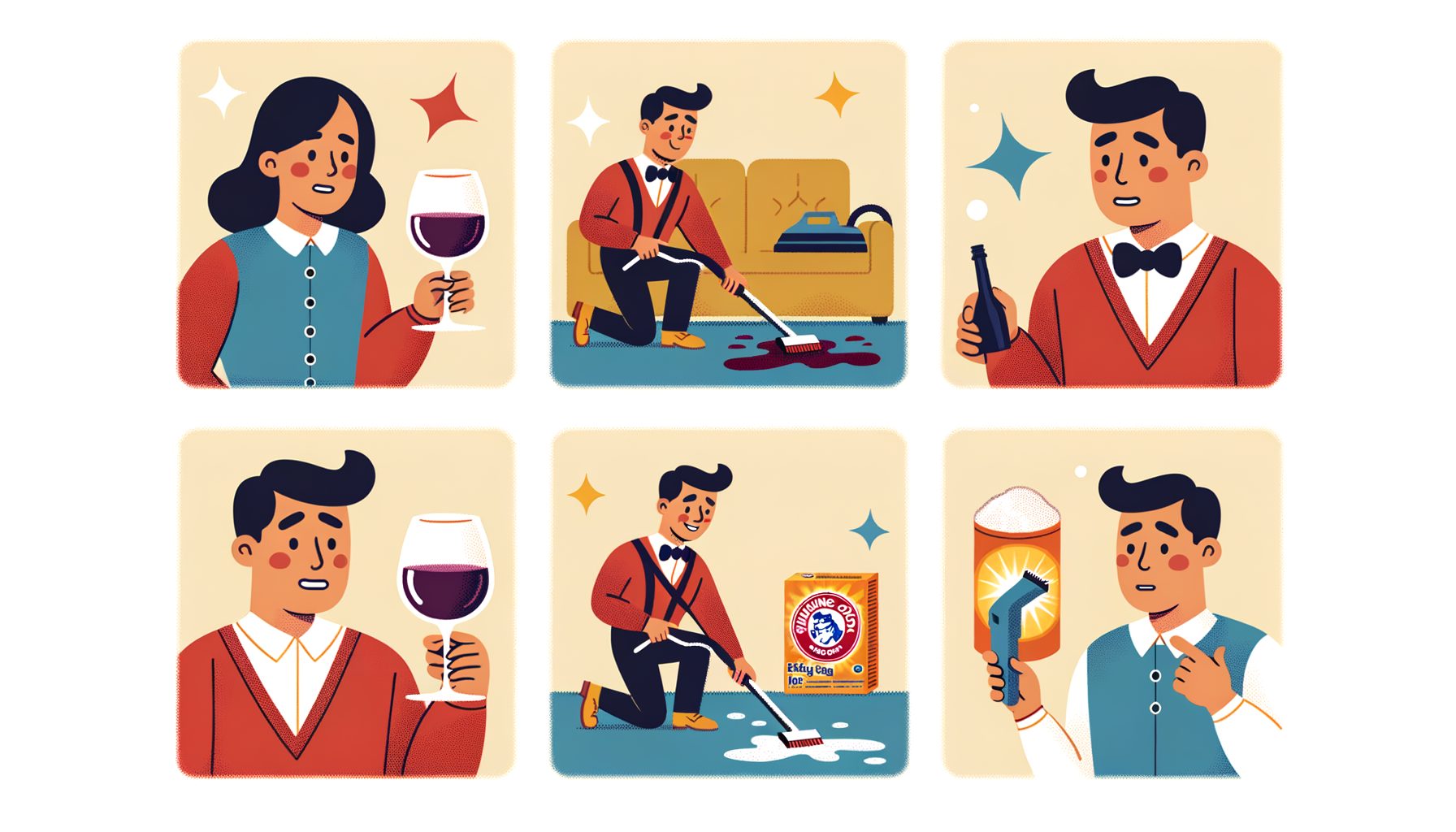
Not every stain plays by the same rules. Here’s how to handle common culprits with calm, precise moves. Red wine: blot immediately, flush with cool water, apply an oxygen-based remover (after a colorfastness check), allow 10 minutes, then blot and rinse. Coffee or tea contain tannins—start with a neutral detergent solution; if needed, add a bit of white vinegar to shift pH, then blot and rinse. Turmeric or curry (strong dyes) demand quick action with an oxygen-based cleaner; avoid bleach on colored carpets. Ink: dab isopropyl alcohol onto a cloth and tap gently; follow with a water rinse. Chewing gum or wax: freeze with ice in a bag, chip off, then place a paper towel over residual wax and briefly warm with a low iron to lift.
Grease and cooking oil respond best to solvents. Sprinkle baking soda or cornstarch, let it absorb oils for 15 minutes, vacuum, then apply a tiny amount of solvent to a cloth and tap the spot. Rinse and extract thoroughly. Mud is simple: allow it to dry completely, vacuum deeply, then treat any faint mark with mild detergent. Makeup or sunscreen: start with detergent; if traces remain, a small touch of alcohol on a cloth can help. Finish with a rinse so sticky residues aren’t left behind.
Pet urine and vomit call for special care. First, blot up as much as possible. Apply an enzyme cleaner generously so it reaches the padding where urine can pool. Allow 10–15 minutes (or as directed), then blot and extract. Repeat if odor lingers; uric crystals sometimes require multiple treatments to dissolve fully. Avoid steam or high heat on fresh urine—heat can set odor. For stubborn smells, sprinkle baking soda after the final rinse, let sit overnight, and vacuum. Well, here it is: if accidents soaked the padding, professional hot-water extraction—or even pad replacement—may be the fix.
Quick reference table you can screenshot:
| Stain | Best Cleaner Type | Key Do/Don’t | Typical Dwell Time |
|---|---|---|---|
| Red wine, juice | Oxygen-based remover | Do use cool water; don’t apply heat | 5–10 minutes |
| Coffee, tea | Neutral detergent, then vinegar mix | Do rinse well; don’t overscrub | 5–8 minutes |
| Grease, oil | Solvent + absorbent powder | Do test first; don’t flood the area | 3–5 minutes |
| Pet urine | Enzyme cleaner | Do keep moist during dwell; don’t use heat | 10–15 minutes |
| Ink | Isopropyl alcohol | Do dab gently; don’t rub | 2–4 minutes (in stages) |
For added guidance on product safety and eco-friendly choices, check labels like the U.S. EPA’s Safer Choice program (https://www.epa.gov/saferchoice). For bio-mess cleanup (like vomit), follow hygiene steps and proper disinfection from reliable health sources such as the CDC (https://www.cdc.gov/infectioncontrol/guidelines/index.html).
Deep Cleaning, Prevention, and Pro Tips
Daily habits do the heavy lifting. Vacuum high-traffic areas 2–3 times per week and other rooms weekly using a machine with strong airflow and modern filtration (HEPA if possible) to capture fine dust. Shoes off at the door plus doormats inside and out reduce soil dramatically. Consider applying a carpet protector after deep cleaning so future spills bead up for easier blotting. Keep indoor humidity around 40–50% so carpets dry quickly after cleaning; use fans and open windows when weather cooperates.
Plan a deep clean every 6–12 months for busy homes (12–18 months for lighter use), and check your carpet warranty—some require periodic professional service. Hot-water extraction (often called “steam cleaning,” though it uses hot water, not steam) remains the industry standard for a thorough reset. Soils are flushed from deep in the pile and, when done correctly, residue is kept minimal. Low-moisture methods (like encapsulation) shine for maintenance between extractions and speed drying. If you rent a machine, make multiple slow vacuum passes to extract as much moisture as possible and avoid over-wetting. Aim to finish drying within 12 hours to prevent wicking and musty smells.
Make a simple spot routine and stick to it. Keep your spot kit handy. After each spill: remove solids, blot, choose a cleaner, dwell, rinse/extract, and dry with airflow. For persistent odors, use an enzyme cleaner over several days; lightly rehydrate the area so enzymes keep working. Then this: if pet issues recur, a UV flashlight helps find invisible spots, and positive training reduces repeats. If urine odor lingers despite your best effort, contamination may be in the padding or subfloor—time to call a certified pro.
When you need help, look for technicians certified by the IICRC (https://iicrc.org). Their standards define best practices for cleaning and drying. For product picks and testing insights, independent reviewers like Consumer Reports offer useful comparisons (https://www.consumerreports.org). Spending a few minutes on prevention and solid technique extends carpet life, freshens indoor air, and saves money.
Q&A: Quick Answers to Common Carpet Questions
Q: What’s the fastest way to handle a fresh spill?
A: Blot immediately with white towels, flush with cool water, and blot again. Next, apply the right cleaner (detergent, enzyme, oxygen-based, or solvent), allow brief dwell, blot, rinse, and speed-dry with a fan.
Q: Will hydrogen peroxide bleach my carpet?
A: At 3%, hydrogen peroxide can lighten some dyes and is safest on light, colorfast carpets. Always test in an inconspicuous spot first. On dark or delicate fibers (like wool), skip peroxide and use gentler options.
Q: How do I remove old pet urine odor that keeps coming back?
A: Lightly rehydrate the area, then saturate with an enzyme cleaner so it reaches the padding. Allow 10–15 minutes, blot, and repeat over a few days. If odor persists, professional hot-water extraction and potential pad treatment may be needed.
Q: Is “steam cleaning” safe for wool carpets?
A: Wool can be wet-cleaned, but use lower temperatures, mild wool-safe detergents, and controlled moisture. If unsure, hire a wool-certified technician and avoid high-pH products or aggressive agitation.
Q: How often should I vacuum and deep clean?
A: Vacuum high-traffic areas several times per week and deep clean every 6–12 months (12–18 for low traffic). Homes with pets, kids, or allergies may benefit from more frequent maintenance.
Conclusion: Put These Steps Into Action Today
You now have a clear, reliable plan for tackling carpet stains and odors: act fast, match cleaner to the mess, rinse and extract thoroughly, and dry quickly. You’ve seen how carpets trap residue and smells, why pH and chemistry matter, and how to apply practical methods for red wine, coffee, grease, ink, and, especially, pet messes. With a steady routine—regular vacuuming, smart prevention, and periodic deep cleaning—carpets can look and smell fresh without guesswork or harsh scrubbing.
Make it real today: assemble a simple spot kit (white cloths, neutral detergent, enzyme cleaner, oxygen-based remover, alcohol, baking soda), save this guide, and post a short “stain playbook” on your fridge. Set a reminder to vacuum high-traffic areas three times this week and schedule your next deep clean on your calendar. What’s interesting too, if a stubborn odor keeps returning, find an IICRC-certified pro and ask for hot-water extraction with careful drying. Your future self—and your guests—will thank you.
Clean carpets boost comfort, reduce stress about spills, and make your space feel genuinely welcoming. You don’t need to be a pro; you just need a plan and the right moves at the right time. Start small, stay consistent, and celebrate the quick wins. Ready for the next spill? Keep calm, blot on, and let clean floors set the tone for your day.
Article Sources
– Institute of Inspection Cleaning and Restoration Certification (IICRC): Standards and certified pro finder — https://iicrc.org
– U.S. EPA Safer Choice: Safer product guidance — https://www.epa.gov/saferchoice
– CDC: Cleaning and disinfection guidance — https://www.cdc.gov/infectioncontrol/guidelines/index.html
– Consumer Reports: Carpet cleaners and stain removal advice — https://www.consumerreports.org
– Carpet and Rug Institute (CRI): Seal of Approval products and maintenance tips — https://carpet-rug.org
– The Humane Society: Pet accident cleanup basics — https://www.humanesociety.org/resources/how-clean-dog-urine